

Otolaryngology (Ear, Nose & Throat/ENT)
Kids’ ENT Experts
Otolaryngologists are doctors and surgeons who treat ear, nose and throat (ENT) conditions in kids of all ages, from newborns to teens. Nemours Children's has one of the largest pediatric ENT programs in the country spanning from Central Florida to Delaware.
We see everything from breathing and swallowing issues to balance disorders and hearing issues. Our team also specializes in snoring and sleep apnea related diagnosis with close coordination from our sleep study team. Inserting ear tubes and removing tonsils are some of our most common procedures. Our ENT doctors also do cochlear implants and see kids with complex airway needs.
Since ear, nose, and throat problems often affect other areas of the body, we work with many kinds of specialists. We understand how ENT conditions can affect kids’ hearing, learning, speech, sleep and development.
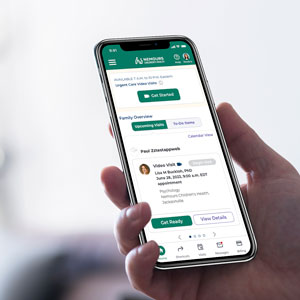
We make coming to Nemours convenient for families, scheduling several appointments in one day. We also offer a telehealth option for patients that are looking for answers from the comfort of their home. We’re here to meet all of your child’s needs, when and where you need us.
Conditions & Treatments
We see a wide range of conditions — far too many to list here. The conditions we treat vary depending on the location and providers selected. Don’t see a condition listed? Call us.
Related Specialties
Our Ear, Nose and Throat Care
From routine ear checks to life-changing cochlear implants, see how we work.
Leading the Way in Treating Children With ENT Problems
Our board-certified otolaryngologists are surgeons who specialize in evaluating and treating many types of pediatric disorders of the ears, nose and throat.
65,000+
4,000+
Delaware Valley/Philadelphia Highlights
We provide life-changing cochlear implant surgery. Our surgeons have performed hundreds of successful cochlear implant surgeries in children from 1 to 17 years old. In some cases, the implant may be done even earlier.
We have a unique sleep disordered breathing program in the Delaware Valley. It’s the first of its kind to help kids with breathing problems that happen during sleep.
We use precise robotic surgery. ENT doctors use robotic surgery to take out the lingual tonsils (tonsils that sit on the back of the tongue where they are hard to reach). Removing these tonsils in children with Down syndrome can improve sleep apnea.
Leading the Way in Treating Children With ENT Problems
Our board-certified otolaryngologists are surgeons who specialize in evaluating and treating many types of pediatric disorders of the ears, nose and throat.
65,000+
4,000+
Florida Highlights
We have a large tracheostomy program. We regularly track the health of more than 250 patients in central Florida and beyond.
The only site in Florida to test for auditory neuropathy. We offer a special test that does not need anesthesia and can confirm this condition.
Complete and convenient cochlear implant program. Nemours is the only cochlear implant program with ENT, audiology and speech language services all in one place.
We’re nationally recognized for a new life-saving surgical procedure. This procedure helps children born with a small jaw and blocked airway (a condition called “Pierre Robin sequence”).
We’re the first in Florida to use a new balloon sinuplasty procedure to treat kids’ sinus disease. This advanced technology treats severe sinus infections by placing a special type of balloon catheter (a small tube with an inflatable balloon on its tip) into the inflamed sinus.
We’re one of only a few centers in the nation with expertise in treating children with balance problems. We're the only one in the region (working with the pediatric neurosurgery division at Wolfson Children’s Hospital).
Leading the Way in Treating Children With ENT Problems
Our board-certified otolaryngologists are surgeons who specialize in evaluating and treating many types of pediatric disorders of the ears, nose and throat.
65,000+
4,000+
Our Highlights
We reduce the number of times your child goes under anesthesia. Our surgeons and radiologists work together to combine procedures. Decreasing the number of times your child goes under anesthesia reduces risks and is easier on your child.
We arrange all appointments to happen on the same day. A member of the ENT team will work with your family to make appointments among specialties that work with your schedule.
We use the latest surgical techniques. Our techniques mean less pain, less bleeding and a faster return to normal diet and activity. Some of our ENT surgeons use robotic surgery to remove tonsils.