

Speech & Language Therapy
Helping Kids Communicate
Nemours Children's pediatric speech and language specialists give children the power to effectively interact with their world. We’re here for kids who have trouble speaking, understanding, writing, feeding or swallowing.
Our team is highly experienced and child focused. We work closely with renowned Nemours programs and specialists in ear, nose and throat, hearing, physical rehabilitation and more.
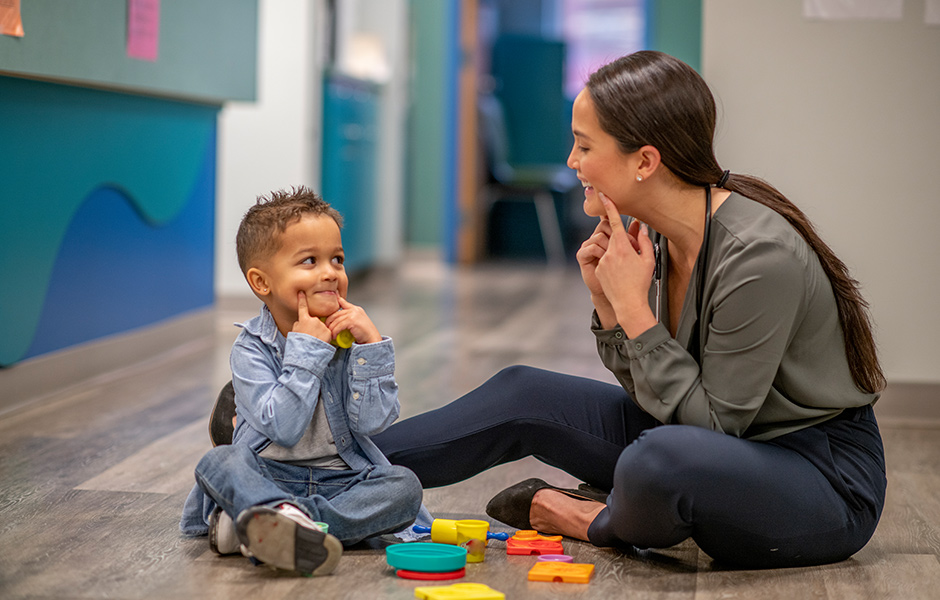
We evaluate your child and create a care plan based on their needs and abilities. In addition to individual and group therapy sessions, we offer at-home activity training for families. We use advanced technologies and the latest assistive communication devices.
Our goal is to build your child’s skills and confidence to express themselves. We work with you to help your child succeed and reach their full potential.
Conditions & Treatments
We see a wide range of conditions — far too many to list here. The conditions we treat vary depending on the location and providers selected. Don’t see a condition listed? Call us.
Related Specialties
What is speech and language therapy? Learn from the experts at Nemours® KidsHealth®.
Teachers can help your child when they know how. Share this speech impairment fact sheet with the school.
Does your child have a problem with speech or language? A Nemours expert describes the signs to look for.
Helping Kids Communicate, Learn and Live Better
Nemours speech and language pathologists care for kids of all ages and abilities. We have deep experience helping children with special health needs. We work with kids who have brain and spine injuries, head and neck differences and neuromuscular disorders.
9,400+
12+
5 years
65,000+
Delaware Valley/Philadelphia Highlights
We provide the latest in alternative communication technologies. We have access to highly advanced assistive technology devices, equipment and tools to help kids communicate. You get everything your child needs, all in one system.
Our voice program is one-of-a-kind. Our hospital is the only facility in the tri-state area to treat pediatric vocal cord dysfunction.
We have the only CARF-certified rehabilitation program for kids in the greater Philadelphia region. Our hospital is the only pediatric program in this area recognized for the highest quality of care by the Commission on Accreditation of Rehabilitation Facilities
We have a state-of-the-art Rehabilitation and Inpatient Therapy Center. We offer real-life activity settings and an onsite school room with special ed teachers and outdoor therapy spaces.
Helping Kids Communicate, Learn and Live Better
Nemours speech and language pathologists care for kids of all ages and abilities. We have deep experience helping children with special health needs. We work with kids who have brain and spine injuries, head and neck differences and neuromuscular disorders.
9,400+
12+
5 years
65,000+
Florida Highlights
We have one of only four multispecialty pediatric inpatient rehab programs in the state. Ours is one of four in Florida, and the only one in Central Florida, with this level of coordinated care. We’re also the only inpatient rehab program in Florida at a hospital completely dedicated to kids.
We have advanced rehabilitation facilities. We offer real-life settings and outdoor spaces for therapy and sensory exploration within healing nature.
We have a clinic in Northeast Florida for kids with velopharyngeal insufficiency. Our speech and language pathology team works with doctors to provide the latest, team-based therapies to help children whose soft palate does not close tightly against the throat.
Helping Kids Communicate, Learn and Live Better
Nemours speech and language pathologists care for kids of all ages and abilities. We have deep experience helping children with special health needs. We work with kids who have brain and spine injuries, head and neck differences and neuromuscular disorders.
9,400+
12+
5 years
65,000+
Our Highlights
We provide the latest in alternative communication technologies. We have access to highly advanced assistive technology devices, equipment and tools to help kids communicate. You get everything your child needs, all in one system.
We help kids with cochlear implants learn to communicate. We provide specialized speech and language therapies for babies, children and teens with cochlear implants. We’re here before, during and after surgery.
We offer advanced feeding and swallowing therapies. We use the latest studies and treatments for kids who have trouble swallowing. Therapies can include electric muscle stimulation.
Help With Voice Disorders, Vocal Cord Dysfunction and More
Our team of experienced speech-language pathologists and ear, nose and throat (ENT) specialists work together to help kids find their voice again.
We Make It Easy With Online Video Visits
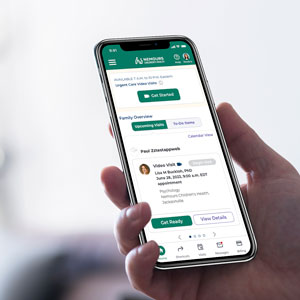
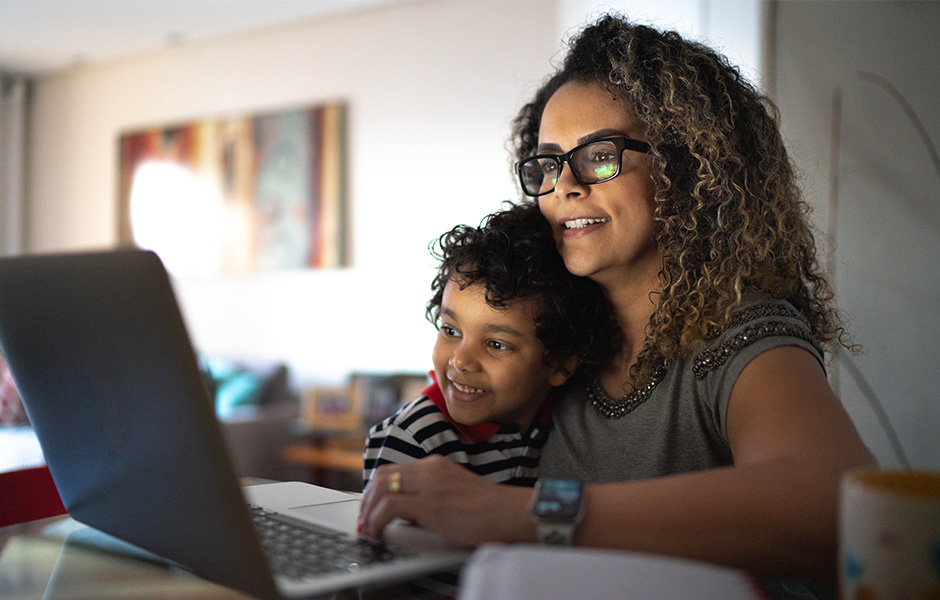
Many speech and language therapies are available at our hospitals and at community locations that may be closer to home. And families can see a speech pathologist with our easy-to-use video-visit option. Whether it’s an introductory conversation, follow up visit, or a discussion about therapy, we can often save you travel time with our secure video connection.
How to Handle Vocal Cord Attacks
Nemours speech and language pathologists show you how to do rescue breaths for vocal cord attacks.