

Inclusion, Diversity, Equity & Alignment (IDEA)
Overview
Inclusion, Diversity, Equity & Alignment (IDEA) is leading organizational transformation and alignment to support our vision to go well beyond medicine. We believe workforce equity is foundational to all efforts to advance and achieve health equity, which is why our associates are equal partners in this mission-critical work. Embracing our systemness, we align our DEI and health equity priorities with organizational and leadership priorities to help create the healthiest generations of children.
Purpose Statement
To create an environment of inclusive excellence valuing all associates and empowering them to address health equity and associate diversity, equity and inclusion to create the healthiest generations of children.
Resources
- Our Leadership
- Associate DEI
- Equitable Health Care Delivery
- Recognitions
- Scholars Programs
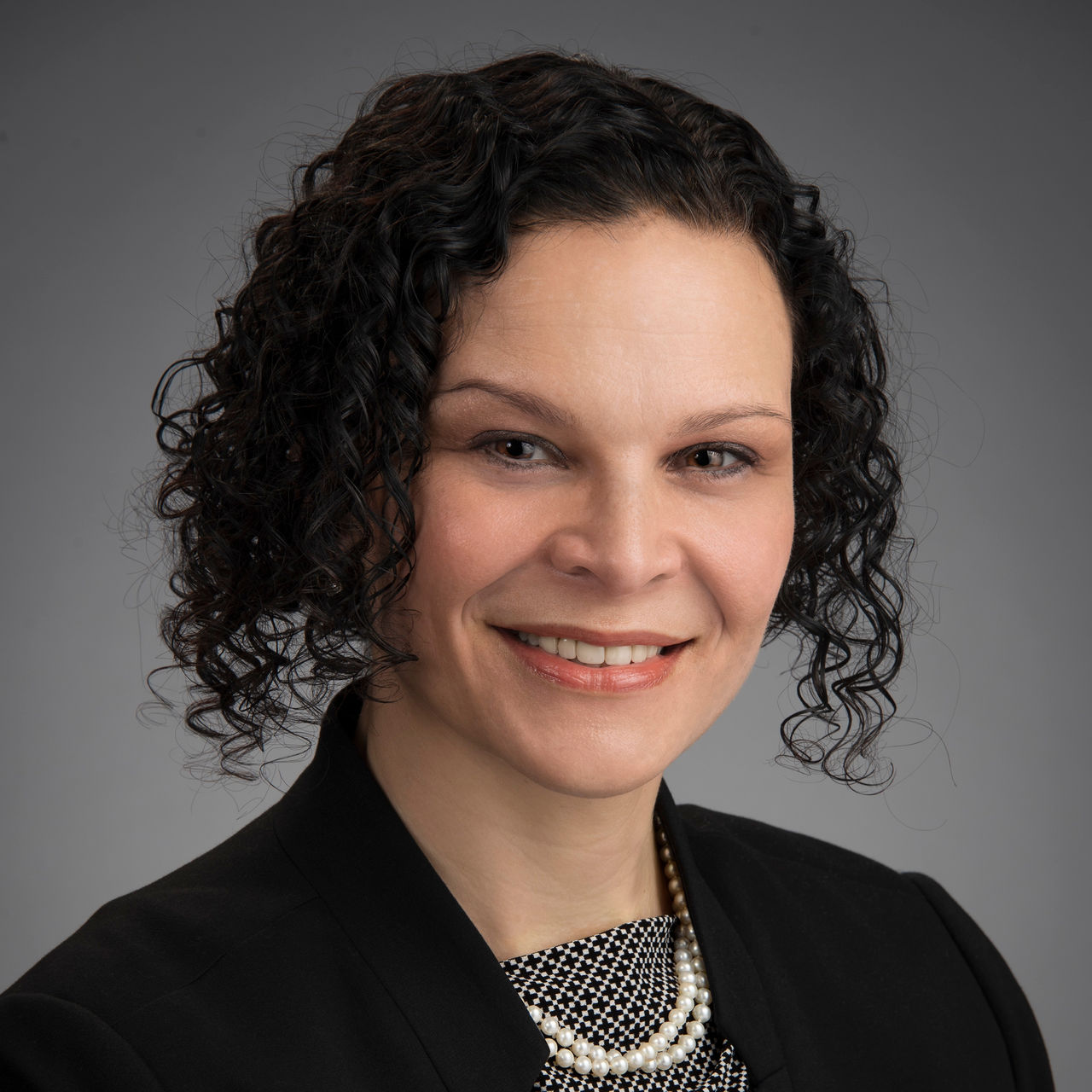
Rachel J. Thornton, MD, PhD
Vice President, and Chief Health Equity Officer
Rachel J. Thornton, MD, PhD is Vice President and Chief Health Equity Officer at Nemours Children’s Health, where she leads work on health equity strategy to support our vision to create the healthiest generations of children. Dr. Thornton has committed her career to health equity research and practice, including organizational transformation.
Prior to joining Nemours Children’s, Dr. Thornton was Associate Professor of Pediatrics at Johns Hopkins School of Medicine and the Inaugural Executive Director for Clinical Services in the Johns Hopkins Medicine Office of Population Health, where she led population health management services and community health. A practicing primary care pediatrician, Dr. Thornton served as a Health Policy advisor at the U.S. Department of Housing and Urban Development from 2011–2013. As a nationally recognized innovator in health equity research and practice, she served as a member of the National Academies of Sciences, Engineering and Medicine study committee on Shaping Summertime Experiences, Opportunities to Promote Healthy Development and Well-Being for Children and Youth, and as a member of the Strategy Group on COVID-19 and Rental Evictions.
Dr. Thornton received a Bachelor of Arts from New York University, a Doctor of Medicine (MD) degree from Johns Hopkins School of Medicine, and a PhD in Health Policy and Management from Johns Hopkins Bloomberg School of Public Health. After residency, she completed fellowship training in general academic pediatrics.

Associate Diversity, Equity and Inclusion
We believe that achieving health equity begins with associate diversity, equity and inclusion. A culturally safe environment inspires inclusive innovation and excellence reflected in the quality of care we provide for the children, families and our communities.
By embracing, celebrating, and cultivating an inclusive environment for associate diversity, we aspire to contribute to the healthier generations of children.
The strength of a diverse and inclusive work environment creates more satisfied associates with a stronger sense of community and mission.
Diversity & Inclusion Education
We identify evidence-based, cutting-edge learning experiences to equip associates with the skills to navigate, leverage and elevate cultural differences. On demand or by special request, our learning content responds to the cultural realities of our organization and provides tools to apply in the workplace.
Diversity Calendar
The Diversity Calendar is a catalog of diverse holidays, observances and special celebrations. It contains a brief description of their significance, traditional customs, forms of celebration and observance, and it’s accompanied by evidence-based guidance and recommendations to expand knowledge, spark cultural curiosity and respectfully participate in diverse customs, while honoring our cultural identity. Exploring diverse cultural traditions can be enjoyable and rewarding, and is essential to expand our cultural awareness and sensitivity. Recognizing, appreciating and respecting diverse cultural expressions contributes to a safer and more inclusive work environment, where we can find similarities among differences and thrive together.
Associate Resource Groups (ARGs)
ARGs are voluntary, peer-led groups that bring associates together who share common cultural identities, experiences and backgrounds, and/or are allies of a particular group. ARGs are open to all, regardless of cultural or ethnic background and life experiences. ARGs are safe spaces dedicated to creating a sense of community and belonging among associates, in alignment with our mission and values.
These groups emphasize appreciation and validation of identity and alliances regardless of gender, ethnicity, veteran status, religious affiliation, socioeconomic background, mental and physical ability. ARGs raise awareness of relevant issues impacting our communities and informing responses, through:
- Fellowship, sense of mission and enjoyment among colleagues
- Leadership development (ARG Leads)
- Driving associate diversity and inclusion
- Advancing career and professional development
- Impacting organizational advancement
Adelante (Latino/Hispanic)
THE MISSION: to create a diverse and culturally competent environment where all associates feel they have a voice, and where the Latino/Hispanic families we serve feel their needs are being met.
African Heritage
THE MISSION: to impact and enhance optimal patient care services and associate relationships by providing an inclusive experience and valued understanding from a diverse cultural perspective.
DESIaN (South Asian)
THE MISSION: bring together associates who identify their ethnicity from India, Pakistan, Nepal, Bhutan, Sri Lanka, Bangladesh, Maldives and other countries in the region. We will discuss, collaborate and improve unique patient care needs of that origin, help with professional development of associates, provide mentoring to medical students/nursing students and other younger generations who aspire to be in the medical field, improve community engagement and last, but not the least, have fun while at Nemours.
Healthcare Alliance of Asian and Pacific Islanders (HAAPI)
THE MISSION: to provide a safe environment for AAPI and allies for networking, career development and addressing challenges and needs through local events, education and outreach activities.
Pride
THE MISSION: To honor, support and celebrate our LGBTQ+ associates, improve patient care for this group of patients and to have fun.
Women@Work
THE MISSION: To increase the pathways to leadership, provide professional development, and engage in networking and community engagement.
Helping Kids Embrace Diversity
Learn how you can help your child recognize and deal with biases at home, at school and elsewhere.

Anti-Racism Statement
Nemours is committed to cultivating a strong foundation of inclusive excellence and cultural proficiency.

Reducing Health Care Disparities
Health care disparities are meaningful and unjust differences in health outcomes across patient groups. These include limited access to care, lower quality of care and worse clinical outcomes. We know that we must eliminate health care disparities and work to provide every child with what they need to achieve their full potential. This is a critical component of our Equity Roadmap, which supports achieving our Health, Value and Equity Strategic Pillar.
We have a plan to reduce health care disparities.
In 2021, we launched our Next Frontier Strategy. Our bold vision: To create the healthiest generations of children. Delivering the highest quality medical care will take us far. But exceptional care alone isn’t enough to achieve our goals. To truly transform children’s health, we must also achieve health equity. In 2023, we're holding ourselves accountable by asking the question: Are we doing everything we can to identify and eliminate health care disparities that impact our patients and communities? Our Equity Roadmap provides the plan to accomplish this objective.
To achieve equitable health care delivery, we are:
- Producing transparent baseline performance data across clinical and operational areas
- Realigning quality, safety and patient experience metrics under standard stratified sociodemographic categories, such as race, ethnicity and language (REaL)
- Implementing data-informed action plans, including improvement measurements, for identified disparities
- Reducing health care disparities in coordination with The Joint Commission requirements
Race, Ethnicity and Language (REaL) Data Reporting Initiative
To ensure we're identifying the disparities we can impact, it's important we improve how we collect, categorize and report data related to patients’ race, ethnicity and preferred health care language. By taking a system approach, this initiative will provide us with the ability to compare access, quality and outcomes across populations, geographies and clinical areas. We have a responsibility to deliver equitable health care to the patients we serve, and we have tremendous potential to act as a force-multiplier for health equity and improve health outcomes for all.
The Human Rights Campaign — Healthcare Equality Index
The Healthcare Equality Index (HEI) is the national benchmarking tool that evaluates health care facilities' policies and practices related to the equity and inclusion of their LGBTQ patients, visitors and employees. The HEI evaluates more than 1,700 health care facilities nationwide.
Every year, they recognize the health care organizations that participate in the HEI for their dedication and commitment to LGBTQ inclusion.

Becker’s Hospital Review — Diversity, Equity and Inclusion Officers to Know
Becker’s Healthcare is the go-to source for health care decision makers and one of the fastest growing media platforms in the industry.
DEI leaders are directing efforts to create inclusive health care environments where everyone feels welcomed, valued and safe. The DEI officers included on this list are instituting training sessions, establishing business resource groups, creating scholarship programs and improving hiring practices in an effort to uplift diverse populations and enhance health equity at their organizations and within their communities.
In 2023, Rachel J. Thornton, MD was recognized for creating Nemours' first equity roadmap, focusing on the cultural transformation of health care, and creating a demographics dashboard for the organization that offers data on broader diversity goals.
Delaware Healthy Mother & Infant Consortium — Health Equity
This award recognizes the individuals and organizations that work hard for the well-being of mothers and children in Delaware, for the health of community and for health equity.

Workforce equity is foundational to all efforts focused on advancing and achieving health equity. This requires a multi-faceted approach, with our greatest chance for success coming through the engagement of our current and future associates. We must go beyond providing high-quality care to cultivating and expanding local and regional partnerships to help build our talent and leadership pipeline programs. Sharing our expertise with the next generation of associates, from those on the front lines caring for children and families to those converting innovative ideas into real-world action and policy, this is essential to creating the healthiest generations of children and a better future for our country.
IDEA Scholars Program
The IDEA Scholars Program began in 2012 and has evolved over time to align with our Culture and Talent foundational imperative as a part of our organizational strategic plan. This program is critical to building diverse talent and leadership pipelines that will give us an advantage in identifying future associates early in their careers and power our growing talent needs well into the future. IDEA Scholars work directly with associates on a project for 10 weeks or 6 months to effect change and positively reduce health care disparities. They engage in weekly seminars where we encourage discussion on emerging topics within the field and expose scholars to the nuances of a future career in health care. Applications for this program open in the fall with selections occurring in the spring.
For more information or to express interest please contact us at IDEA@nemours.org.
Ginsburg Institute for Health Equity Scholars Program
Thanks to Orlando philanthropist Alan H. Ginsburg and the Ginsburg Family Foundation's generous gift of $25 million, vital work will begin to create the Ginsburg Institute for Health Equity at Nemours Children's Health. This first-of-its-kind initiative will advance health equity for children in medically underserved communities in Florida and across the United States by building a world-class interdisciplinary program that goes well beyond medicine.
The new Ginsburg Institute will also bring together a team of world-renowned pediatric specialists, behavioral economists, health services researchers, environmental health experts, data informaticists and other professionals. Research and policy findings will be shared through local, national and international publications and forums to address the underlying social determinants of health and ultimately change how children's health is defined.
Ginsburg Scholars will be critical to advancing this important work by supporting the incubation of new and innovative programs, engaging in national policy discussions and providing intellectual and practical assistance in clinical care, research, education and quality improvement initiatives. Applications for this program open in the fall with selections occurring in the spring. Applicants who reside in Central Florida will be prioritized for selection due to the community focus of the Ginsburg Institute in this area. For more information or to express interest please contact us at IDEA@nemours.org.