


Delaware Sickle Cell Center of Biomedical Research Excellence (DE SCD COBRE)
Building a Stronger Future for Children with Sickle Cell Disease
Nemours leads the Delaware Comprehensive Sickle Cell Research Center of Biomedical Research Excellence (DE SCD COBRE), a nationally recognized program focused on translational, clinical, and psychosocial research in sickle cell disease. Supported by the National Institutes of Health (NIH) through the IDeA program, this work helps strengthen the research infrastructure, scientific collaboration, and investigator development needed to improve how sickle cell disease is studied and managed.
This multi-year investment builds on earlier progress by supporting multidisciplinary research that examines the biological, medical, psychological, and societal factors that affect disease severity and response to interventions. It also helps expand the systems and expertise needed to carry out high-quality research and improve care over time.
The DE SCD COBRE is led by David Brousseau, MD, MS, principal investigator, with Robin E. Miller, MD, and Sylvia Torres, MPH, research program administrator.
Pediatric Health Impact
311
Children receiving care in our sickle cell program.
67%
Patients at Nemours enrolled in a clinical research study.
80%
Children receiving hydroxyurea (above national averages).
89%
Accuracy rate in MRI and transcranial Doppler (TCD) tracking.
Why This Work Matters
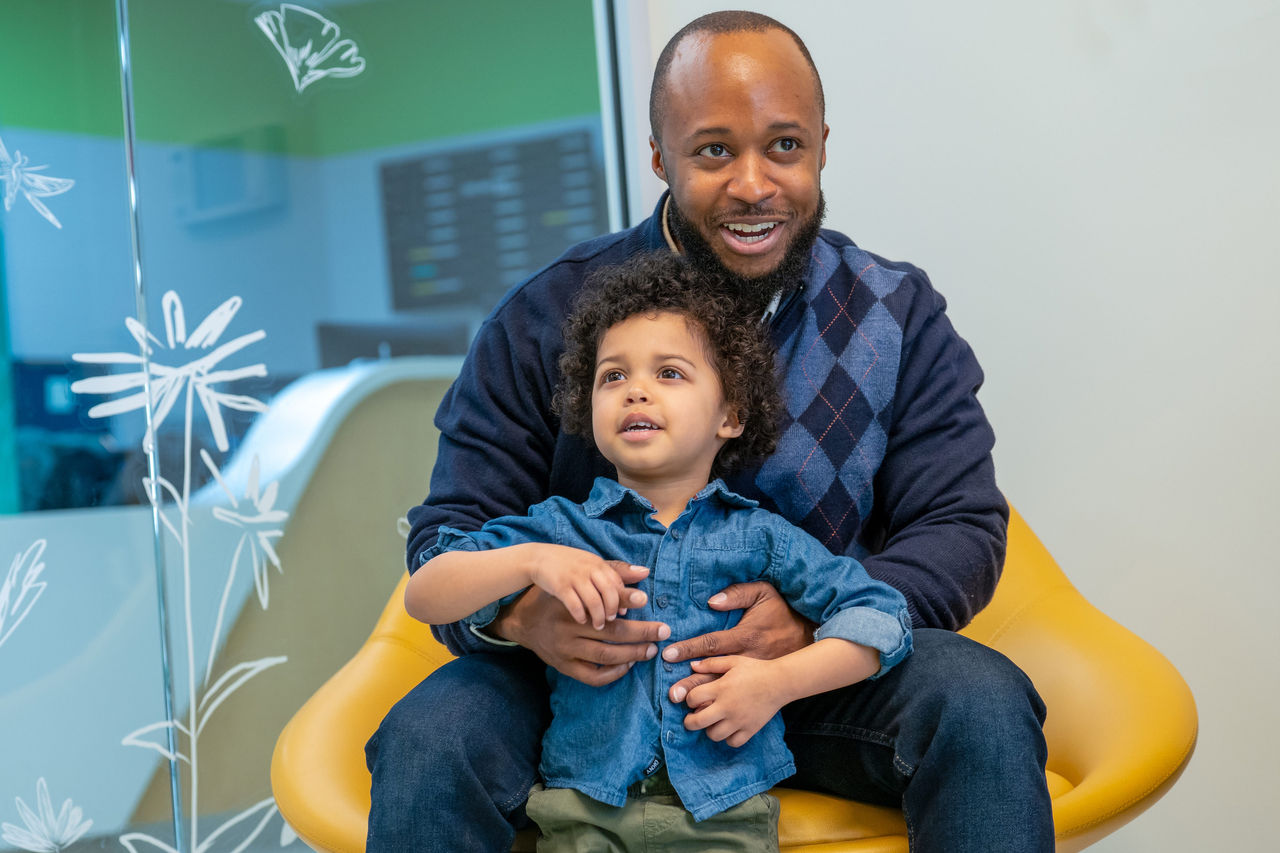
Sickle cell disease shapes many aspects of a child’s daily life. Research provides greater hope for families who often face uncertainty. Programs like the DE SCD COBRE ensure that children can access innovative studies, consistent monitoring, and emerging therapies without needing to leave the communities they trust.
This program also supports children who historically lacked access to research opportunities. By building a stronger, more connected research environment, we're ensuring that discoveries reach families across Delaware and Florida. It helps us give kids a better chance at long-term health.
Current Clinical Trials
Nemours participates in a growing number of clinical trials focused on prevention, early detection, disease modifying therapies, symptom management, and emerging gene-based treatments. These studies help shape the future of sickle cell care and expand the options available to families.
- Sleep Health Study: Uses actigraphy watches and daily sleep diaries to learn how sleep patterns affect children with sickle cell disease.
- Jin Eye Study (Optical Coherence Tomography – OCT): Tracks retinal health using annual OCT imaging in children and young adults with sickle cell disease or trait.
- Jin Eye Study (Fluorescein Angiography – FA): Uses FA imaging to evaluate small blood vessels in the eye for early signs of damage linked to sickle cell disease.
- Brain Imaging Review (Cerebral Vasculopathy Study): Reviews brain imaging to better understand how to prevent strokes in children with sickle cell disease.
- EMPOWER Study: Works with teens and young adults to design and test educational tools that support decisions about disease-modifying therapy.
- Delaware Sickle Cell Surveillance Study: Uses statewide health data to understand how sickle cell disease affects children and families across Delaware.
- Sickle Cell Contraceptive Practices Study (COBRE): Explores reproductive health and contraceptive needs among individuals with sickle cell disease.
- CSL889 Study: Tests hemopexin as a potential treatment during painful vaso-occlusive crises.
- Hibiscus 2 Study (Etavopivat): Evaluates the safety and effectiveness of etavopivat in adolescents and adults with frequent pain episodes.
- Osivelotor Study: Studies an oral therapy (osivelotor) designed to improve hemoglobin levels in people with sickle cell disease. Currently on hold.
- Oxbryta Registry: Follows children and teens taking Oxbryta to understand long-term outcomes and quality-of-life changes.
- Oxbryta Expanded Access Program: Provided early access to voxelotor for young children with sickle cell disease. Closed to enrollment.
- ASCENT Study (Abatacept After Transplant): Studied whether abatacept can reduce graft-versus-host disease after bone marrow transplant.
- Project Sickle Cure: Examines how bone marrow transplant affects brain health, learning, and long-term function in children with sickle cell disease.
- Haploidentical Bone Marrow Transplant Study: Tests the safety of using a partially matched family donor for bone marrow transplant.
- GRNDaD Registry (Global Research Network for Data-Driven Decisions): A national registry collecting long-term clinical data to improve sickle cell care.
- ASH Research Collaborative Sickle Cell Disease Registry: Collects medical data nationwide to advance research in hematology, including sickle cell disease.
- AUNT Study (Auntie Study – NASCC): A longitudinal study following adults with sickle cell trait through annual visits to learn how SCT affects long-term health.
- Transition of Care (EPIC Note) Study: Focuses on strengthening communication and planning as teens move from pediatric to adult sickle cell care.
- Chronic Pain and Self-Efficacy Study: Examines how children and teens manage chronic pain and what supports improve daily functioning.
- Sickle Cell Trait Documentation Study: Improves how trait results are documented and discussed with families.
- SPM Study:Tracks patterns in sickle cell management to identify opportunities for better care.
- DISPLACE Study (Dissemination and Implementation of Stroke Prevention Looking at the Care Environment): National study focused on increasing stroke screening in children with sickle cell disease.
- SCIENCE Study (Sickle Cell Improvement: Enhancing Care in the Emergency Department): Multicenter project improving emergency department care for families experiencing pain crises.
- SCThrive: Explores new ways to support teens and young adults living with sickle cell disease.
- Perspectives on Research Participation Study: Invites families to share their experiences with research to help the program improve communication and support.
Related Research & Clinical Focus
The work funded through this award connects to a broader network of research centers, clinical programs, and specialty teams across our system.
Blood Disorders Research
RESEARCH AREA
We explore blood disorders in children to advance care and outcomes through innovation in diagnostics, treatment, and long-term disease management.
Center for Pediatric Healthcare Delivery Science
Our scientists study how pediatric care is delivered and partner with families, schools, and systems to improve access, experience, and health outcomes.
Center for Pediatric Cancer and Blood Disorders Research
DELAWARE VALLEY & FLORIDA
Our investigators advance pediatric cancer care through innovative research, multistate clinical trials, and specialized programs in Delaware and Florida.
Nemours Center for Cancer and Blood Disorders
CLINICAL CARE
Comprehensive care for children delivered by multidisciplinary teams across Nemours Children’s hospitals and locations in Delaware Valley and Florida.