


Pediatric 3D Printing & Advanced Image Post-Processing Lab
- About Us
- Our Services
- Research & Impact
Turning Medical Images Into 3D Insight
The 3D Printing & Advanced Image Post-Processing Lab at Nemours Children’s in Central Florida transforms CT and MRI scans into detailed, patient-specific 3D models. These models help clinical teams prepare for complex procedures and give families clearer, more tangible ways to understand their child’s condition.
Pediatric anatomy can vary greatly, especially when congenital differences are involved. Traditional 2D imaging may not fully capture the subtle spatial relationships that guide surgery. Holding and examining a physical model makes it easier for clinicians to visualize critical structures and plan the safest, most effective approach.
Our lab uses Food and Drug Administration (FDA)-cleared segmentation software and advanced 3D printing technology to create high-quality models that reflect each patient’s unique anatomy. We work closely with pediatric specialists across Nemours to support clinical planning, education, and research.
Leadership Team
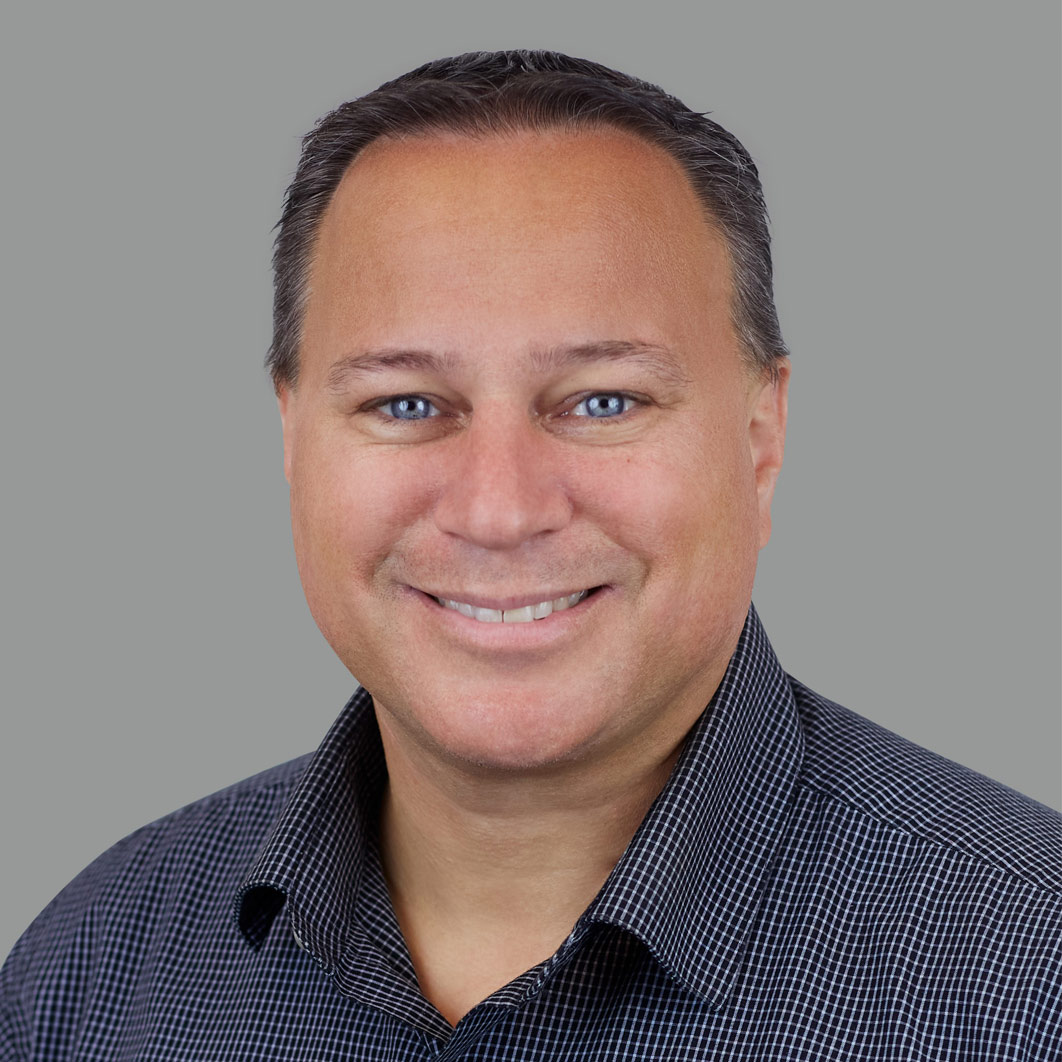
Craig Johnson, DO
Program Director
Medical Director, Interventional Radiology, Central Florida
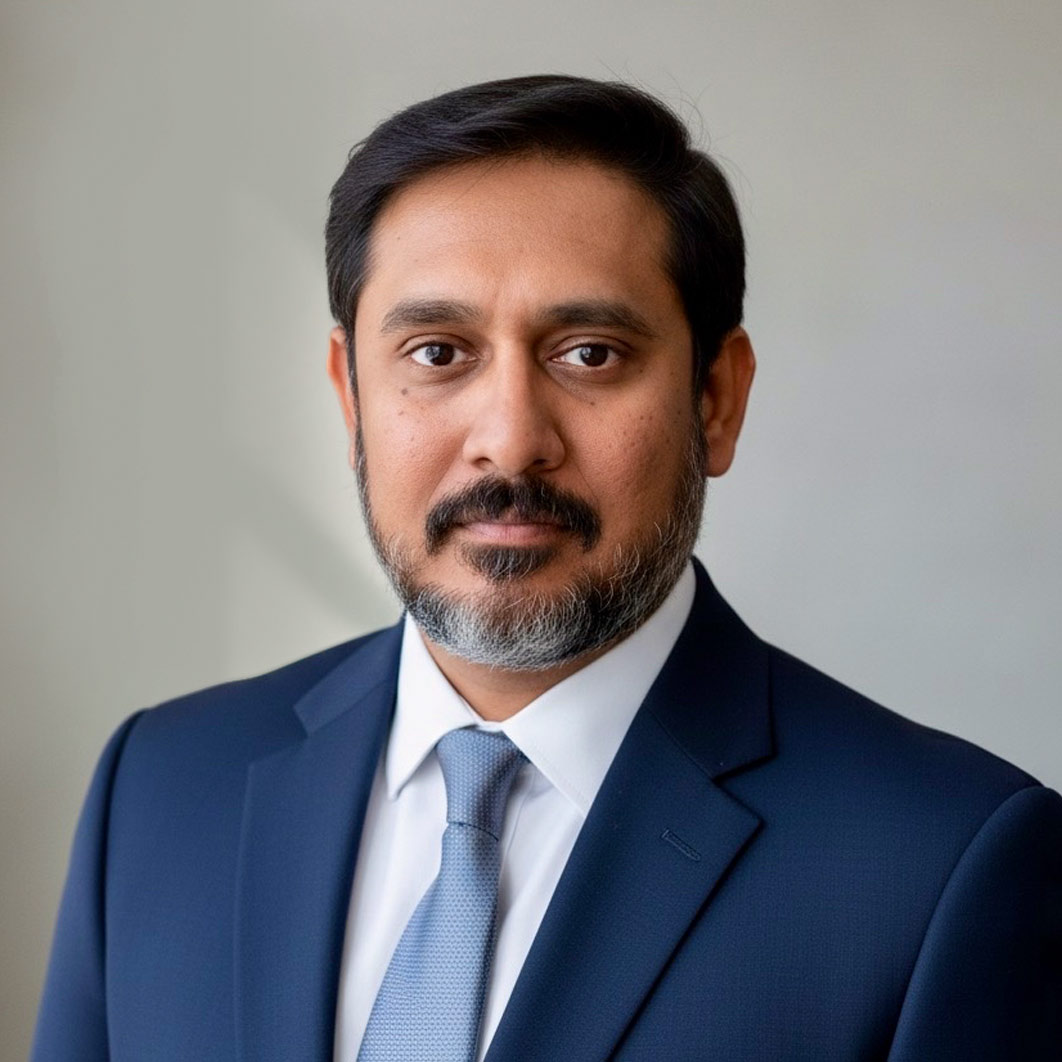
Pushpak Patel, RT, (R) (CT)
Program Supervisor
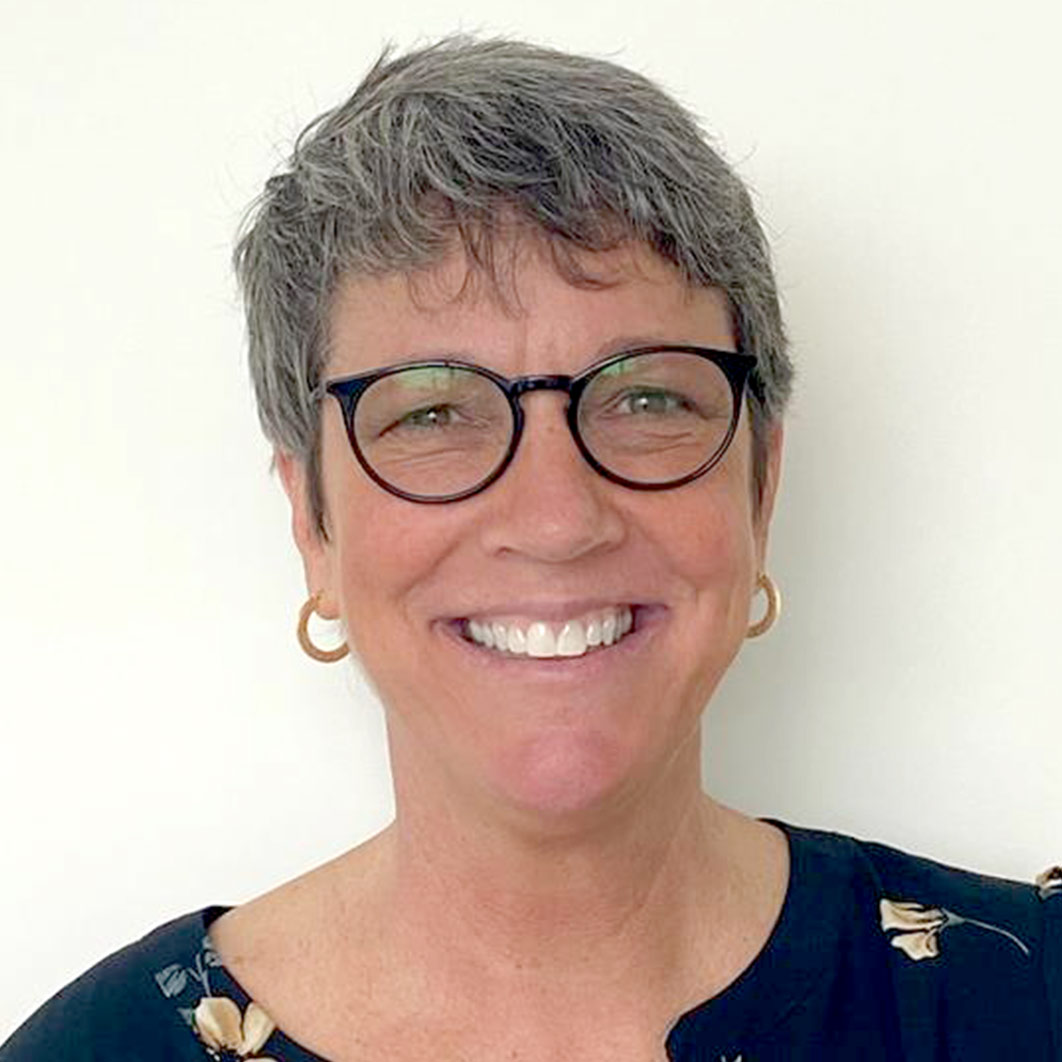
Jill Ford, (R) (CT)
3D Lab Technologist
Facility, Equipment & Technology
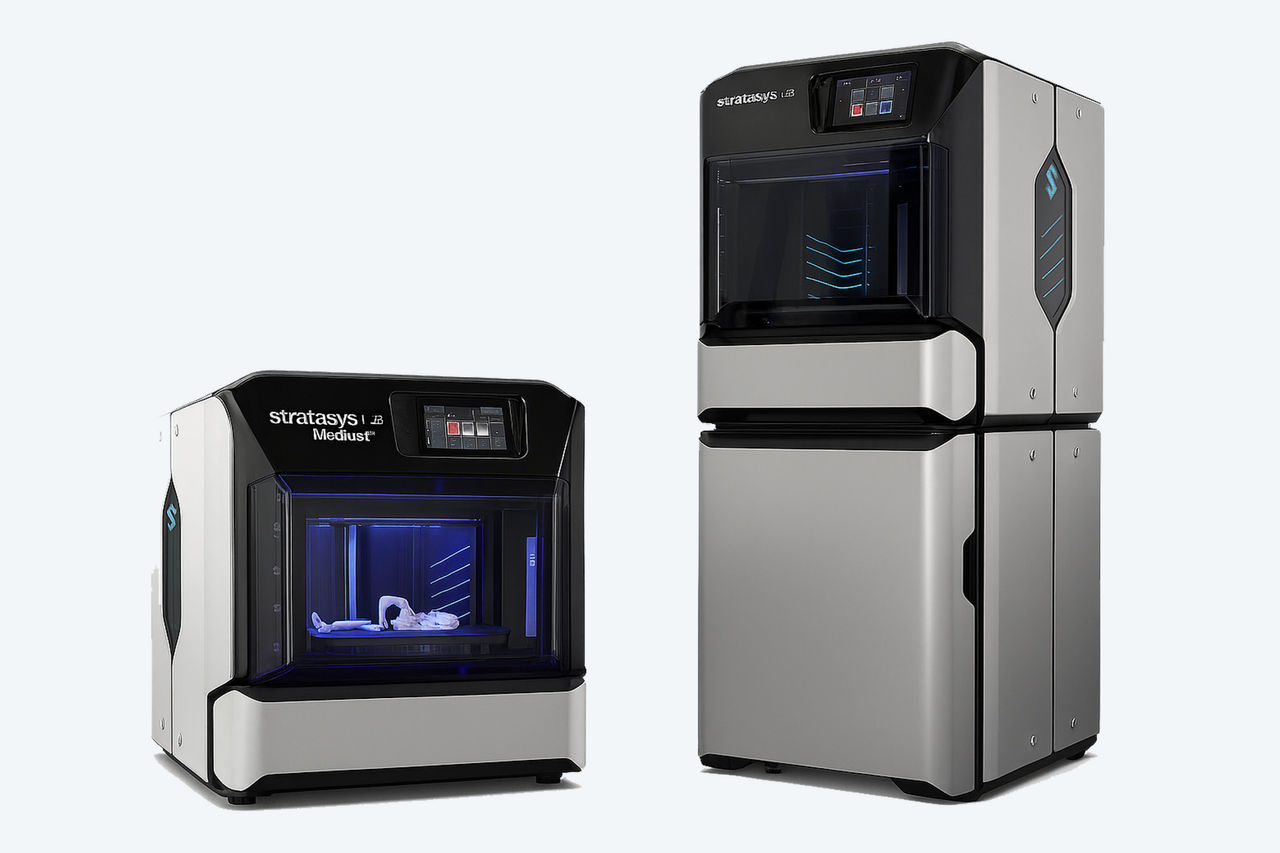
Advanced Imaging & Segmentation
Our lab is built around high-performance imaging workstations designed for pediatric anatomy. We use FDA-approved software to isolate bones, vessels, soft tissues, and other structures from CT and MRI scans. This precise digital segmentation creates the foundation for everything we produce, from digital visualizations to physical models.
3D Printing Systems
Different clinical needs require different printing techniques. Our capabilities include:
- PolyJet systems for multicolor, multi-material models that help show layers and textures.
- SLA (stereolithography) for fine detail and precision.
- FDM (fused deposition modeling) for durable prototypes.
Compliance, Processes & Standards
We follow standardized workflows and quality checks to maintain accuracy, reliability, and patient privacy. Our team is trained in:
- HIPAA-secure data handling.
- FDA guidance for anatomical modeling.
- Structured segmentation and printing processes.
- Quality assurance before model delivery.
Research in Context
Our labs contribute to research that informs pediatric care, working in alignment with research centers and focused areas of scientific study at Nemours.
Cardiac Center, Florida
CLINICAL CARE
Pediatric cardiology and specialty care at Nemours Children’s Hospital, Florida and throughout Northeast, Northwest, and Central Florida.
Center for Cleft & Craniofacial Differences, Central Florida
CLINICAL CARE
Coordinated care for cleft lip and palate, craniosynostosis, and other craniofacial differences, delivered by an expert interdisciplinary team at Nemours Children’s Hospital, Florida.
General Surgery
CLINICAL CARE
Comprehensive surgical care for infants, children, and teens across the Nemours system, with teams based in Delaware Valley and Florida.
Interventional Radiology
CLINICAL CARE
Minimally invasive, image-guided procedures performed by pediatric specialists at Nemours Children’s hospitals and select specialty locations across our regions.
Neuroscience Center, Central Florida
CLINICAL CARE
Complete pediatric neurology, neurosurgery, and neurodevelopmental services for children throughout Central Florida at Nemours Children’s Hospital, Florida.
Orthopedic Center, Florida
CLINICAL CARE
Pediatric orthopedic care for bone, joint, and movement conditions at Nemours Children’s Hospital, Florida and throughout North and Central Florida.
Plastic & Reconstructive Surgery Research
RESEARCH AREA
Our researchers advance craniofacial reconstruction, ear reconstruction, scar treatment, and wound healing through surgical innovation and clinical research.
Radiology (Medical Imaging)
CLINICAL CARE
Pediatric imaging services using low-dose, child-friendly technologies offered at Nemours Children’s hospitals and specialty locations across regions we serve..
Radiology Research
RESEARCH AREA
Our researchers advance pediatric imaging by developing safer, clearer techniques that improve diagnosis, monitoring, and treatment of childhood conditions.
Advanced Modeling Services for Pediatric Care
We provide a broad range of services to support clinical care, research, education, and innovation across Nemours.
Clinical Services
We partner with providers to create:
- 3D anatomical models for surgical planning.
- Custom-printed models tailored to the individual child.
- Advanced visualization and segmentation for complex cases.
- Simulation models to help care teams rehearse procedures.
- Models that support informed family discussions.
Innovation & Operational Support
We also support clinicians and researchers exploring:
- New printing materials and techniques.
- Prototype and device concept development.
- Anatomical reconstructions for feasibility studies or early-stage innovation.
Educational Contributions
Our models also support:
- Anatomy teaching and demonstrations.
- Hands-on training for residents and fellows.
- Simulation exercises to practice procedural skills.
- Family and community education.
Specialty Applications
Our models add value across many pediatric specialties, most notably:
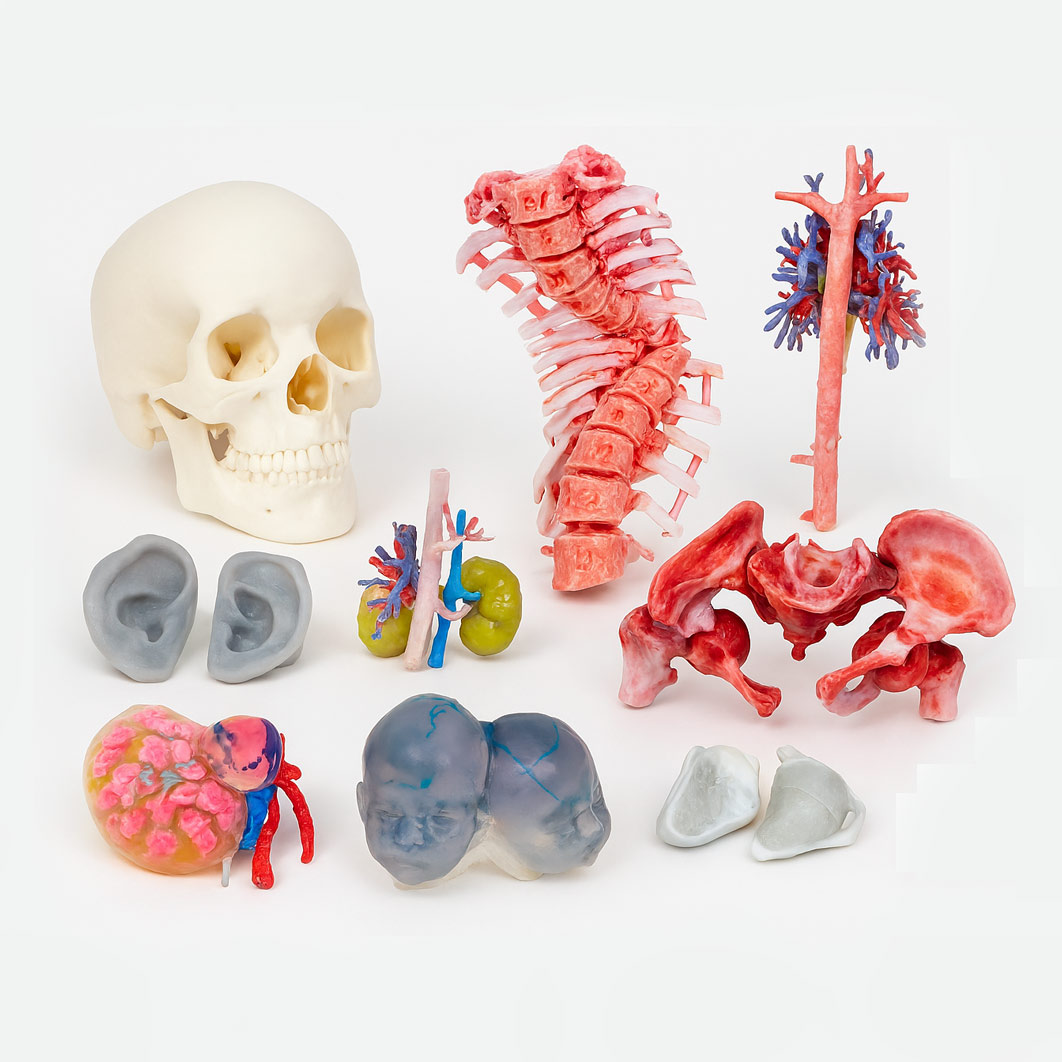
Cardiology | Heart and vessel models help surgeons prepare for congenital heart repairs, map abnormal pathways, and plan delicate procedures.
Plastic & Reconstructive Surgery Craniofacial and skull models aid reconstruction planning, symmetry evaluation, and detailed preoperative mapping.
Orthopedics | Bone and joint models help surgeons visualize deformities, understand alignment, and plan reconstructions or corrective procedures.
General Surgery & Neurosurgery | For tumors, airway abnormalities, and complex anatomical relationships, models provide clarity that can be difficult to achieve with 2D imaging alone.
How it Works
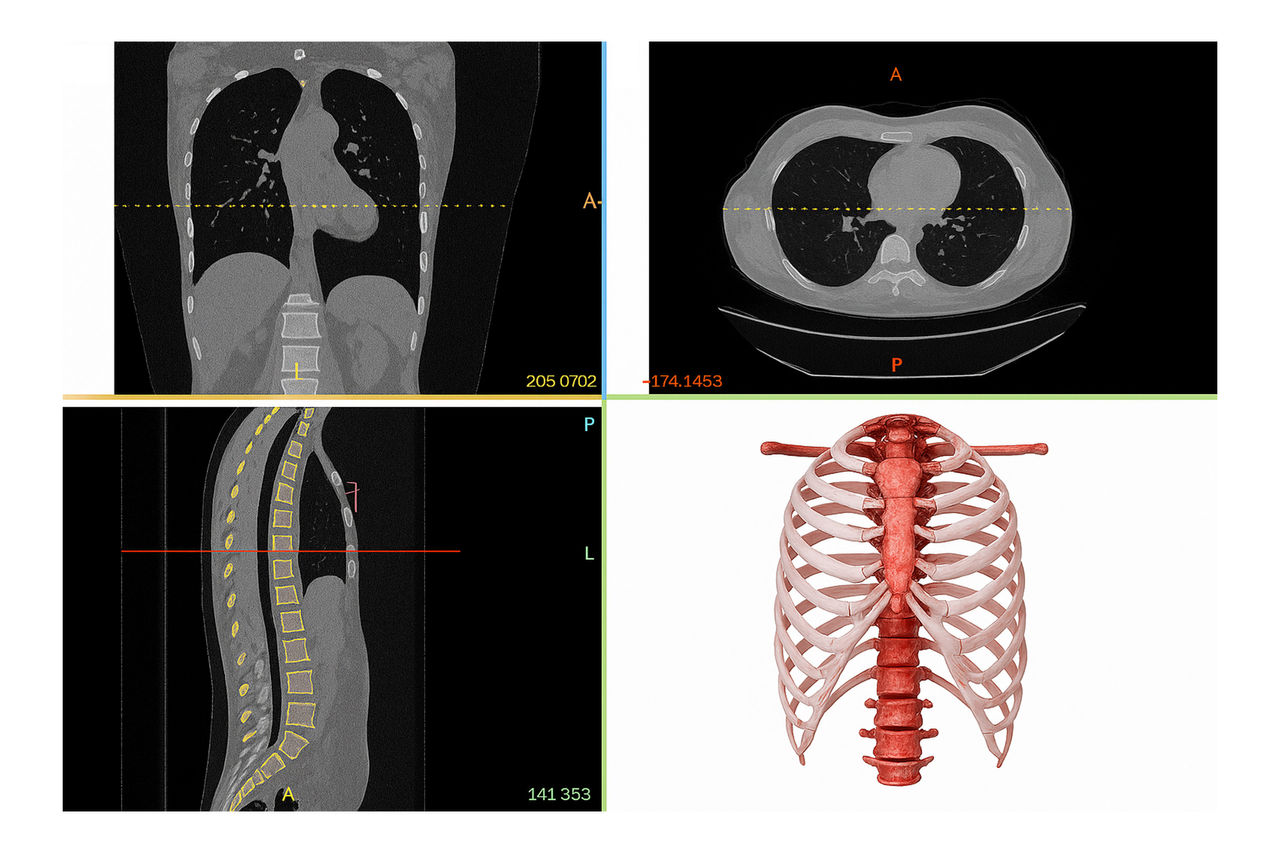
From Imaging to Model
Our process is designed to be efficient and seamless.
1. Image Acquisition: CT and MRI scans are securely transferred to the lab.
2. Segmentation & Refinement: We isolate relevant anatomy using FDA-cleared tools.
3. Digital Reconstruction: A detailed 3D model is created for review.
4. 3D Printing: The model is printed using the most appropriate technology.
5. Delivery: Digital and physical models are delivered for surgical planning, teaching, or research.
Contact us to integrate 3D printing into your hospital, surgical, clinical, or research workflow.
How We’re Making a Difference
The 3D Printing & Advanced Imaging Lab contributes to investigator-led studies and innovation projects across Nemours. Our work focuses on improving how anatomy is visualized and modeled to guide clinical decisions.
Outcomes-Based Research
We examine how 3D models influence surgical planning, workflow efficiency, operative strategy, and team communication. These projects help quantify the value of 3D modeling in improving surgical preparation and clinical outcomes.
Material Science & Printing Innovation
Our team explores new printing materials, textures, and techniques that may enhance anatomical realism or durability. This work supports both clinical simulation and early-stage innovation efforts.
AI & Image Segmentation
We collaborate with imaging specialists and data teams to evaluate emerging tools that use machine learning to automate or accelerate segmentation. These exploratory projects help assess whether new techniques can improve accuracy or reproducibility.
Multi-Modal Imaging & Predictive Modeling (Exploratory Work)
We are beginning exploratory collaborations with Nemours research labs to evaluate multi-modal imaging approaches and early predictive modeling concepts. These efforts aim to improve how different imaging sources can be combined and used to support future clinical planning tools.
Custom Device Development
We partner with clinicians and industry collaborators on early concept development for patient-specific guides, prototypes, and other innovation-driven tools. Our models help teams visualize needs, test early ideas, and refine designs before further development.
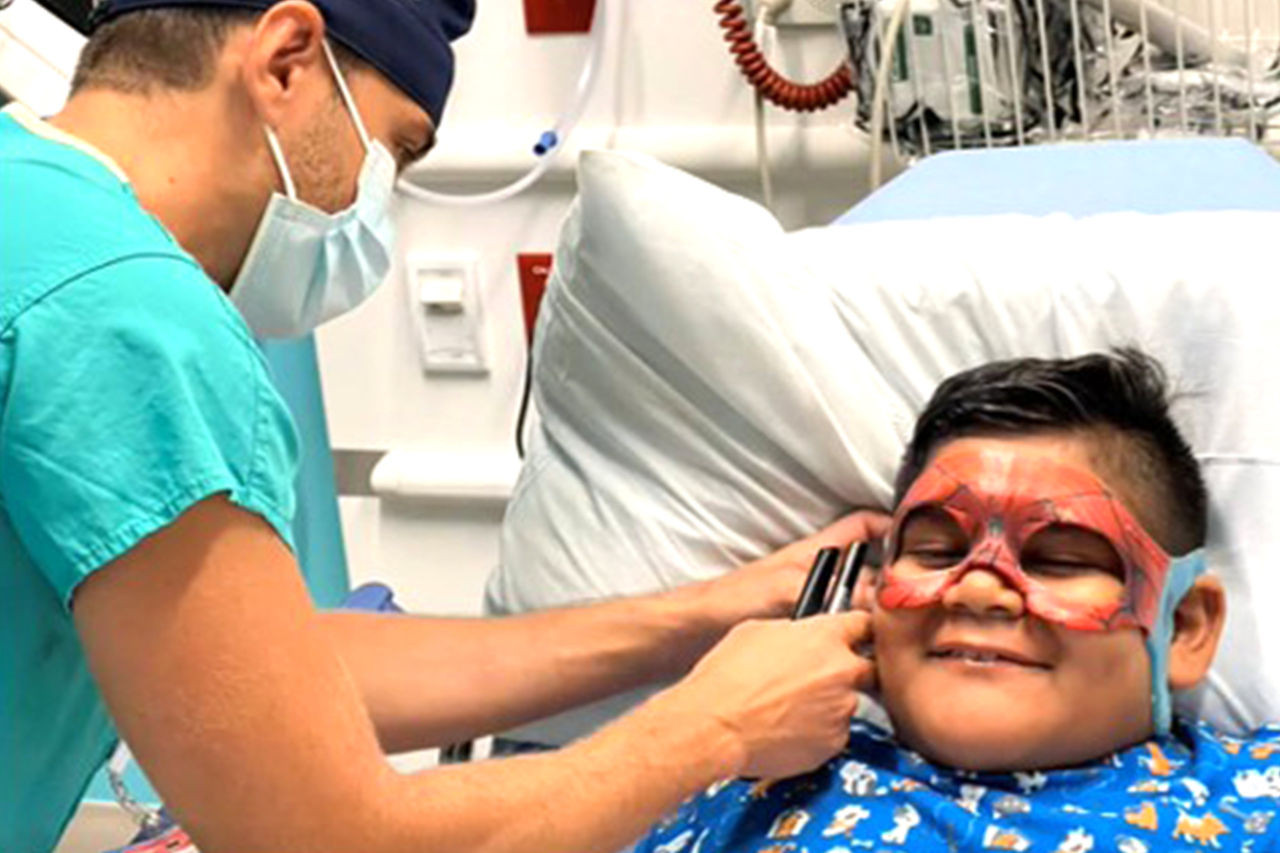
Educational & Clinical Impact
- Helping families visualize anatomy: Models give families a clearer way to understand complex conditions and guide informed conversations.
- Supporting surgical preparation: Surgeons use our models to plan approaches, anticipate challenges, and rehearse steps to improve precision and outcomes.
- Advancing education across Nemours: Models provide hands-on tools for residents, fellows, and learners to study relationships not easily seen on 2D imaging.
Awards & Recognition
Our lab and its work have been recognized for innovation and impact.
2021 3D Printing Registry Project
American College of Radiology and Radiological Society of North America
National Radiology Data Registry
2018 Innovation of the Year in Patient Care
Orlando Business Journal
2018 Medical Innovation in Technology Award
Florida Hospital Association
Research Collaborations & Partnerships

We expand our knowledge and leverage diverse perspectives with partnerships and collaborations within and outside our field of study. Partnerships include:
Nemours Collaborators
We work closely with Nemours researchers and clinical care providers. This helps bridge the gap between lab findings and applications in patient care. Current Nemours collaborations include:
- Cardiology
- Orthopedics
- Plastic & Reconstructive Surgery
- General Surgery
- Neurosurgery
- Radiology (Medical Imaging)
- Educational & Simulation Programs
External Partners
Moving beyond our walls, we also work with academic institutions and technology organizations whose expertise supports modeling innovation and evaluation.
Through these collaborations, our lab helps advance discovery and expand the possibilities of what 3D modeling can contribute to pediatric medicine.