


Pediatric Engineering Research Lab
Engineering Solutions for Pediatric Care
The Nemours Children's Pediatric Engineering Research Lab (PERL) in the Delaware Valley transforms clinical challenges into practical tools for children. With over 35 years of expertise and 11 patents, our team partners closely with clinicians to design, build, and clinically validate medical devices that address critical gaps in pediatric care.
As part of the Orthopedics Department Research, AI duPont Campus, we focus on developing devices that help kids actually move, breathe, and recover. Many of the children we work with have neuromuscular, orthopedic, or pulmonary conditions that make standard medical equipment ineffective or unusable. PERL provides pediatric-specific solutions — from concept through prototype to clinical testing and, when appropriate, commercial translation.
Our lab also serves as an innovation accelerator. When clinicians identify unmet needs in care settings, we provide engineering expertise and fabrication capabilities to realize working devices. Through collaborative design and rapid prototyping, we support research that improves care today while laying the groundwork for broader clinical adoption tomorrow.
Principal Investigator
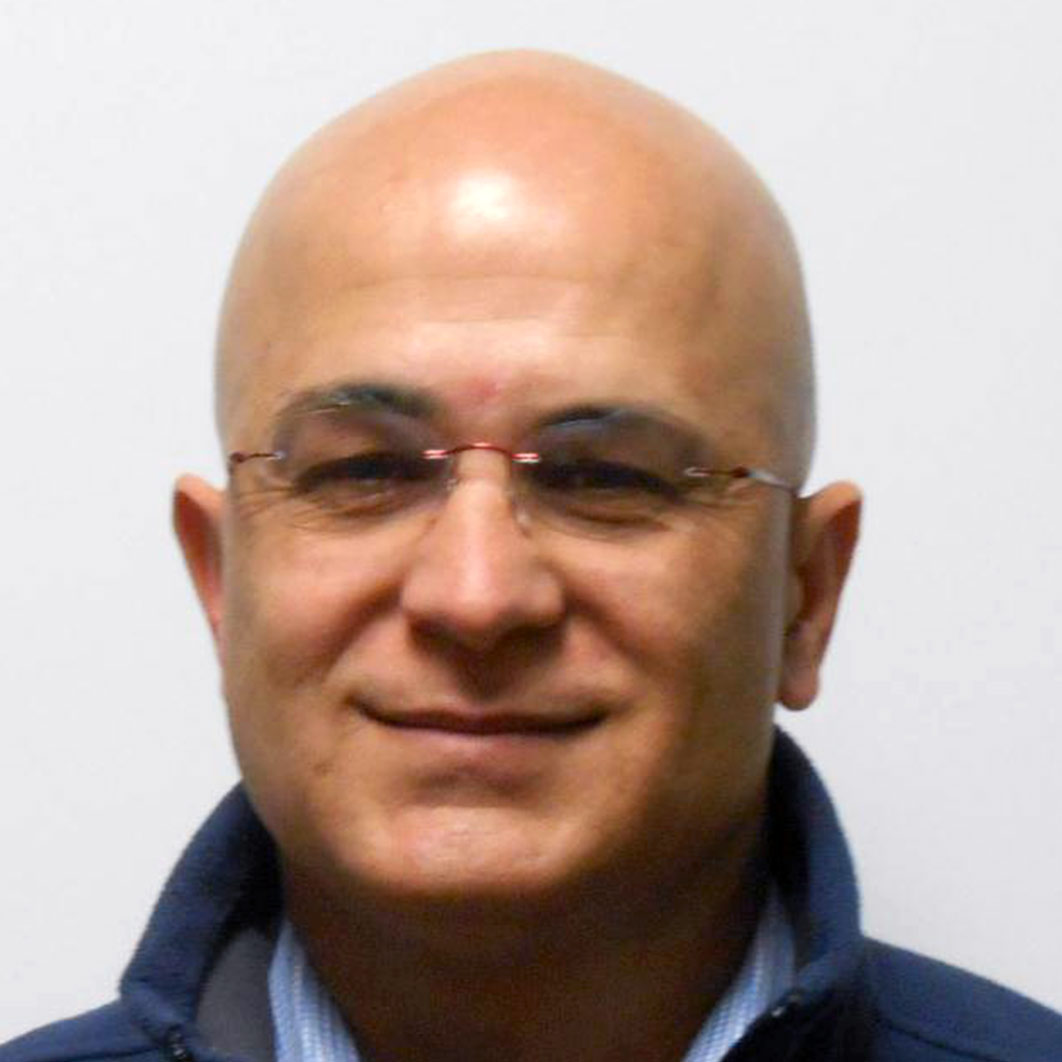
Tariq Rahman, PhD
Principal Research Engineer
LEARN MORE ABOUT OUR RESEARCH
- Research Interests
- Notable Projects
- Partnerships
- Awards & Impact
Our Areas of Focus
Pediatric Medical Device Development
We engineer biomedical devices specifically for children. These tools are created to support care, improve safety, and address gaps where pediatric options are limited or nonexistent.
Orthopedic & Neuromuscular Engineering
Our work supports children with conditions that affect movement and strength, including muscular dystrophy, spinal muscular atrophy, arthrogryposis, and skeletal dysplasia. Devices are developed to assist function, support rehabilitation, and improve activities of daily living.
Noninvasive Respiratory Measurement
We develop and validate methods to assess breathing without invasive testing. This research helps clinicians better understand respiratory function in children with complex conditions like neuromuscular disorders and cerebral palsy.
Translational Bioengineering
Our team emphasizes solutions that move beyond the lab. Engineering decisions are guided by safety and clinical relevance, safety standards, and the potential for real-world implantation. This includes pathways to commercialization when devices demonstrate sustained clinical value.
Engineering Infrastructure & Rapid Prototyping
PERL operates a fully equipped facility, featuring three 3D printers, SolidWorks CAD design software, precision machining tools (numerical milling machine, lathe), and an Instron Material Testing Machine.
This in-house capability enables rapid iteration from clinical concept to functional prototype that supports innovation across departments. When clinicians identify unmet needs, from orthopedic accessories to surgical positioning tools to respiratory aids, our team provides design and fabrication support to transform clinical observations into testable solutions.
Recent Research Highlights
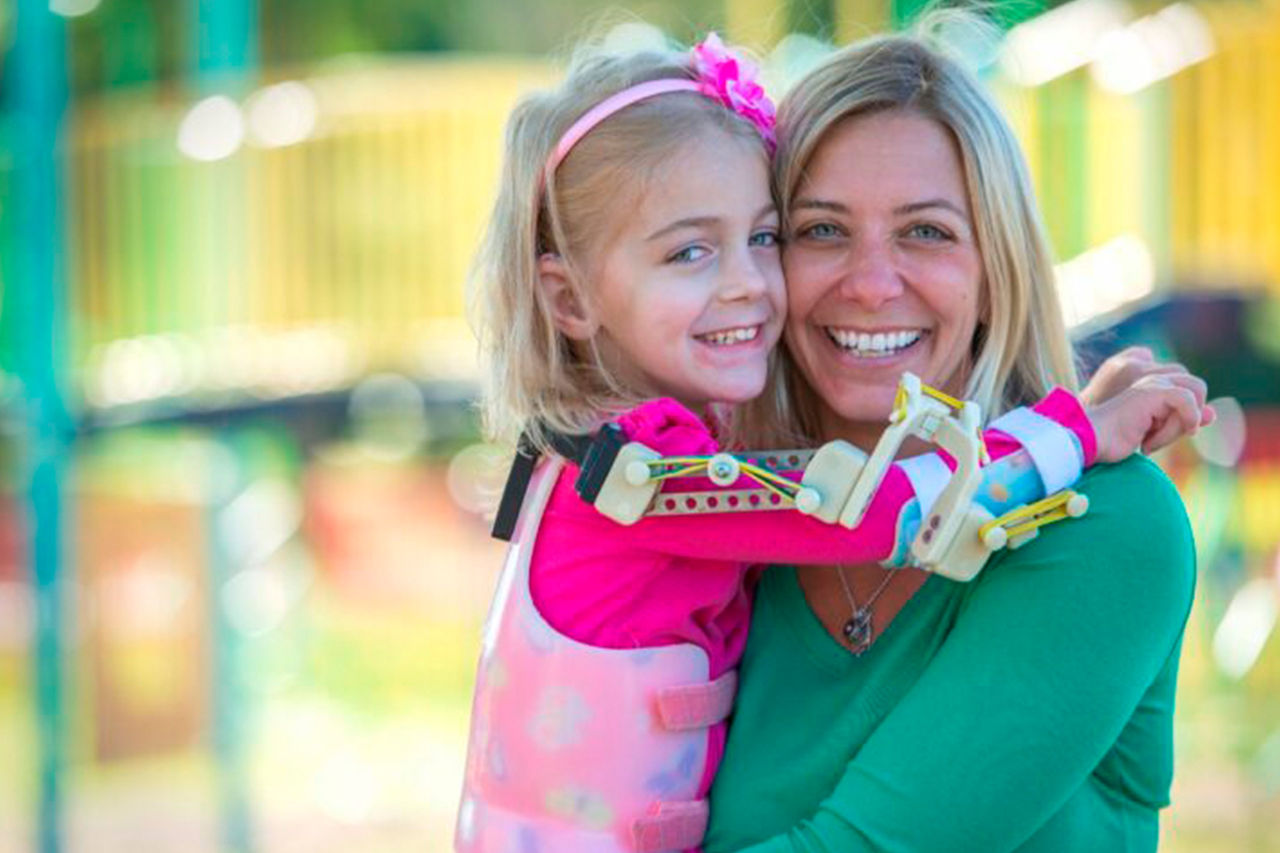
Wilmington Robotic Exoskeleton (WREX)
PERL developed, patented, and licensed this mechanical arm support that helps children with upper-extremity weakness move their hands through space. The device has achieved nationwide commercial adoption through JAECO Orthopedic and is prescribed clinically at Nemours and beyond. Current work focuses on the next generation, including a motorized version.
Non-Invasive Respiratory Monitoring (pneuRIP)
This patented, lab-developed monitor measures work of breathing using wearable respiratory inductance plethysmography (RIP) bands with wireless data transmission for real-time assessment. No comparable portable devices currently offer this functionality. The technology is used across multiple clinical studies and has generated a number of peer-reviewed publications.
Knee Rehabilitation for Arthrogryposis
Our team designed a wheelchair-mounted passive knee movement device for very young children recovering from knee surgery. No comparable devices exist for this age group. Clinical testing is planned to evaluate safety, usability, and rehabilitation outcomes.
Joint Laxity Measurement in Skeletal Dysplasia
This compact device digitally measures finger joint angle and torque resistance during passive movement. It's now used to quantify joint laxity in people with Morquio syndrome as part of an NIH-funded study tracking disease progression non-invasively.
Research Contributions & Partnerships
The Pediatric Engineering Research Lab works in close partnership with clinicians and researchers at Nemours and beyond to develop and test pediatric medical devices.
Nemours Clinical & Research Collaborators
Current clinical collaborations include:
- Pulmonology: Robert Heinle, MD
- Orthopedics & Rehabilitation: Reid Nichols, MD, Wade Shrader, MD, Sarah Ghattas, MD
- Genetics: Jain Mahim, MD
We also work closely with Nemours research labs:
- Noninvasive Pulmonary Evaluation Lab: Thomas Shaffer, PhD
- Skeletal Dysplasia Lab: Shunji Tomatsu, PhD
External & Academic Partners
- ChristianaCare: Kelly Kovatis, MD, Neonatology
- Mayo Clinic in Minnesota: Adil Bharucha, MBBS, MD, Gastroenterology & Hepatology
Grant Funding
Our work to advance pediatric biomedical engineering research is supported by active federal funding. This support drives the development and evaluation of innovative devices that improve the lives of children with complex conditions.
National Institutes of Health (NIH)
Eunice Kennedy Shriver National Institute of Child Health and Human Development (NICHD)
R21 Grant | Non-Invasive Measurement of Pulmonary Dysfunction in Children with Cerebral Palsy (2023-2026) | Rahman, T. (PI)
National Institute of General Medical Sciences (NIGMS)
IDeA Network of Biomedical Research Excellence (INBRE) | P20 Grant (2001-2024) | Stanhope (PI); Rahman, T. (Site Co-PI)
R01 Grant | Non-Invasive Functional Assessment and Pathogenesis of Morquio A (2021-2026) | Tomatsu, S. (PI); Rahman, T. (Co-I)
Patents & Commercial Translation
PERL holds 11 U.S. patents across rehabilitation robotics, orthopedic devices, and respiratory monitoring systems. Our translational success includes licensed technologies in nationwide clinical use, effectively moving innovations from research through FDA approval and commercialization.
Research in Context
Our lab contributes to research that informs pediatric care and connects to broader areas of scientific study at Nemours.
Neuromuscular Research
RESEARCH AREA
Our researchers in Delaware Valley and Florida are leading the effort to develop life-changing technologies to help children with musculoskeletal diseases.
Orthopedics Center, Delaware Valley
CLINICAL CARE
Pediatric orthopedic care including neuromuscular, spine, and limb conditions at Nemours Children’s Hospital, Delaware and throughout Greater Philadelphia.
Orthopedics Department Research, AI DuPont Campus
We’re nationally recognized for leading pediatric orthopedic research, with high-impact publications and a strong presence at major scientific meetings.
Orthopedics Research
RESEARCH AREA
Our teams study bone, joint, and muscle development to improve care for children with orthopedic conditions through innovation and collaboration.
Pulmonology
CLINICAL CARE
Comprehensive care for children with lung, airway, and breathing disorders provided by Nemours pediatric pulmonologists.
Pulmonology Research
RESEARCH AREA
Our teams explore lung development and respiratory disease to improve care for children through imaging, monitoring tools, and treatment innovation.
Rehabilitation Medicine
CLINICAL CARE
Expert care for children with physical disabilities and injuries including therapy, pain management, and functional improvement support.