


Quantitative Epilepsy State Tracking Lab
Understanding When Seizure Risk Rises
The Quantitative Epilepsy State Tracking (QUEST) Lab, part of the Neuroscience Research Center at Nemours Children’s in the Delaware Valley, studies one of the hardest parts about epilepsy: knowing when a seizure may happen. For children and families, that uncertainty can affect daily life.
Our research is built on the idea that seizures are not always random events. They may emerge from changing brain states and biological rhythms that shift over time. By studying those patterns, we aim to understand when the brain enters periods of higher seizure risk, and to build the foundation for a future when seizures can be anticipated, not just reacted to.
The lab studies how brain activity, sleep cycles, and biological rhythms influence seizure timing. Biological rhythms are natural patterns in the body, such as sleep-wake cycles, that help regulate brain and body function. Understanding how these rhythms affect seizure risk may help researchers identify short windows when intervention could be more useful.
For children, the effects of epilepsy often reach beyond seizures themselves. They can influence sleep, learning, and development in ways that are not always obvious. Our work spans these connected areas, combining questions about seizure timing with research into how the brain learns, rests, and changes across childhood.
The QUEST Lab also develops neuroscience research tools that enable new approaches to studying brain function and epilepsy. By creating custom experimental devices and neural interface technologies, we improve the precision, efficiency, and reproducibility of neuroscience research. These innovations enhance data quality and expand researchers' ability to investigate the brain's complex dynamics, accelerating discoveries that improve outcomes for children with neurological disorders.
Principal Investigator
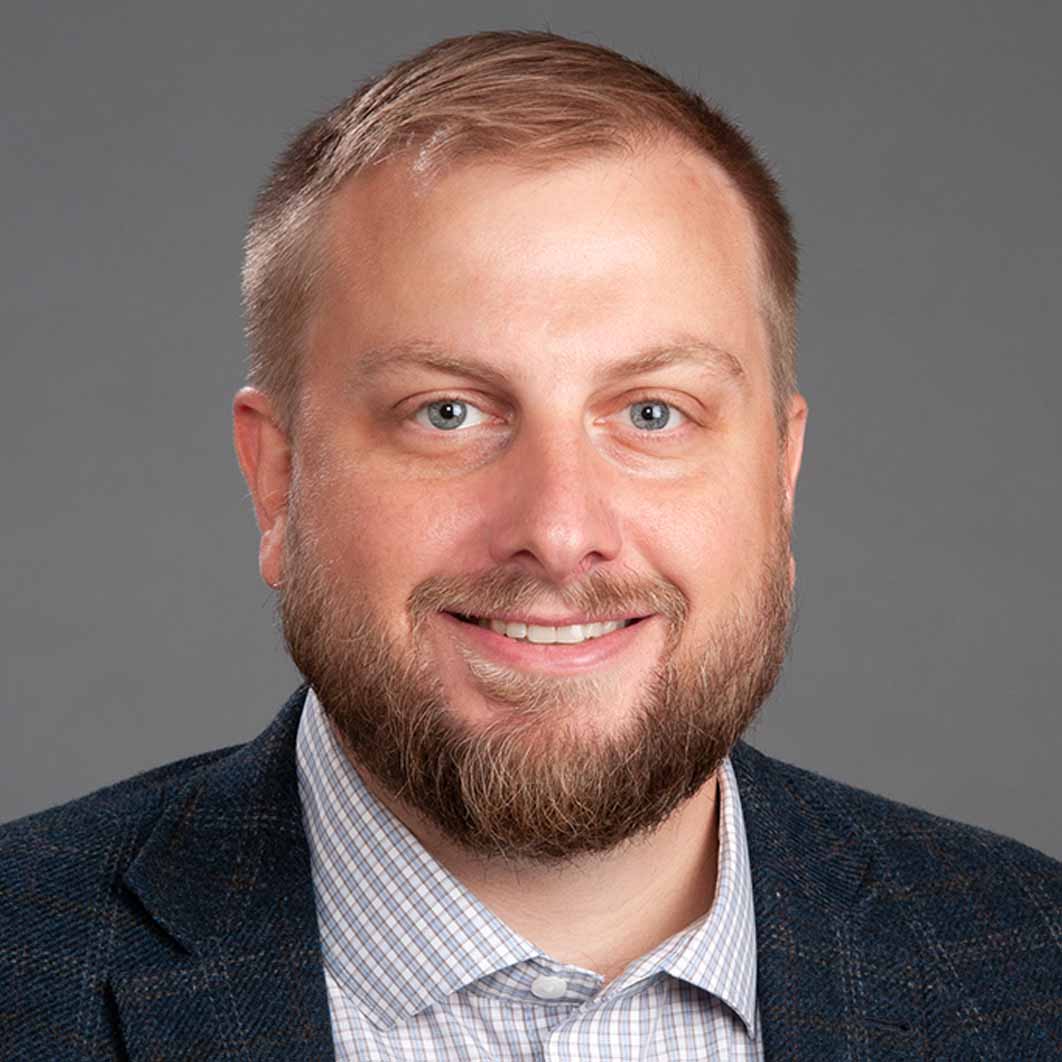
David Klorig, PhD
Research Scientist
Research Team
LEARN MORE ABOUT OUR RESEARCH
- Research Interests
- Research Highlights
- Grants & Impact
Our Areas of Focus
Understanding Why Seizures Happen When They Do
One of the most difficult things about epilepsy is not knowing when a seizure will happen. That uncertainty can shape every part of a child's day, from school and activities to sleep and independence.
Our lab studies why seizures are more likely at certain times than others. Rather than treating seizures as random events, we look at how the brain's own activity patterns, including sleep cycles and other biological rhythms, create periods of higher and lower risk. Understanding those patterns is the first step toward anticipating seizures before they start.
Building Toward Seizure Forecasting
Most epilepsy care today is reactive, responding to seizures after they happen. Our research is working toward a future where seizure risk can be estimated in advance.
By studying how brain activity changes over time, from moment to moment and across days and weeks, the lab is building the foundation for seizure forecasting. For families, this could eventually support earlier intervention and more informed treatment planning, and more confidence in daily life.
Studying How Epilepsy Affects Sleep & Learning
Sleep plays a critical role in how children learn, form memories, and develop. Epilepsy can disrupt the brain activity that supports these processes, sometimes in ways that aren't immediately visible.
Our lab studies how seizure-related brain activity may interfere with sleep-dependent learning and memory. This work is important because the effects of epilepsy often reach beyond seizure control. They can influence attention, school performance, and development over time.
Scientific Approaches Advancing Seizure Research

The QUEST Lab uses quantitative neuroscience and advanced neuroengineering tools to study seizure risk as a changing brain state. Highlights include:
Seizure Risk & Forecasting Across Time Scales
Our lab is developing methods to measure and track seizure risk across time scales ranging from milliseconds to months. This includes studying fast sleep oscillations, which are rapid patterns of brain activity during sleep; circadian rhythms, which follow a daily cycle; and multidian oscillations, which are longer biological rhythms that unfold over several days or weeks.
Studying seizure risk across these time scales helps researchers understand why seizures may cluster during certain periods. This work supports the long-term goal of seizure forecasting, which means estimating when seizures are more or less likely to occur.
Brain State with Network-Wide Recording
Using novel network-wide recording arrays, our team aims to identify and catalog unique brain states. A recording array is a set of small sensors used to measure brain activity across multiple regions. Network-wide recording allows researchers to study how different parts of the brain function together over time.
This approach helps us study the functional organization of the brain, or how brain regions coordinate activity during sleep, waking, memory, and seizure-prone periods. By mapping these states, we can better understand which patterns may signal higher or lower seizure risk.
Automated Microsurgery for Chronic Brain Recording
The lab is developing advanced techniques for chronic network-wide recording using individually placed microwires. Microwires are small, flexible recording wires that can measure activity from targeted brain regions while reducing tissue disruption compared with larger devices.
To improve coverage, precision, and ease of use, our team is developing robotic systems for automated placement of dispersed microelectrode constellations. Microelectrode constellations are groups of tiny recording points placed across brain regions to capture activity from broader networks. This work supports whole-brain recording in research models and may inform future approaches for studying seizure networks in people.
Sleep-Dependent Memory Processing
During sleep, the brain follows a carefully organized sequence of activity that helps extract useful information from recent experiences. Our team studies the mechanistic underpinnings of this process, or the biological and neural mechanisms that explain how it works.
This research may help explain how the brain learns from limited examples and how disrupted sleep-related brain activity affects memory. For children with epilepsy, this line of study may clarify how seizures, sleep, and learning interact over time.
Grant Funding
National Institutes of Health (NIH)
R21 Grant | Evaluating Gene Therapy Strategies to Treat Epilepsy Using a Novel Optogenetic Measure of Network Excitability and Seizure Susceptibility | 2020-2023 | Klorig, D. (Co-PI)
American Epilepsy Society/Epilepsy Foundation
Junior Investigator Research Award | Characterizing Catamenial Epilepsy Using a Novel Optogenetic Measure of Network Excitability and Seizure Susceptibility | 2020-2021 | Klorig, D. (PI)
Collaborations
The QUEST Lab works closely with colleagues across the Neuroscience Research Center and the Biomedical Research Informatics Center (BRIC) at Nemours. These partnerships bring together expertise in neuroscience, data science, and computational methods to support our work in understanding seizure risk and brain function over time.
Publications
Our researchers constantly contribute to advancing scientific understanding. We share our knowledge, insights, and discoveries to encourage collaboration and inspire further research.
Research in Context
Our lab contributes to research that informs pediatric care and connects to broader areas of scientific study at Nemours.
Neuroscience Research Center
DELAWARE VALLEY
Our team investigates the developing brain and translates discoveries in imaging, behavior, and biology into better diagnostics and treatments for children.
Genetics & Precision Medicine Research
RESEARCH AREA
Our researchers use genomic testing, biomarker discovery, gene therapy, and data science to advance more precise diagnosis and treatment for children with rare and complex conditions.
Neurology
CLINICAL CARE
Pediatric neurology services for children with seizures, developmental delays, and neurologic conditions at Nemours hospitals and specialty clinics.
Neuroscience Center, Delaware Valley
CLINICAL CARE
Pediatric neurology, epilepsy care, and neurodevelopmental services at Nemours Children’s Hospital, Delaware and throughout Greater Philadelphia.
Neuroscience Research
RESEARCH AREA
We investigate brain development and neurological disorders to advance pediatric neuroscience through collaboration and translational science.