


Brain Stimulation for Treatment of Cognition Lab
Studying Brain Circuits That Shape Cognition
The Brain Stimulation for Treatment of Cognition Lab at Nemours Children’s in Delaware Valley studies how brain activity changes in neurological disease. As part of the Neuroscience Research Center, we focus on conditions that affect cognition, or the mental processes children use to understand, respond to, and navigate the world around them. Much of this work centers on epilepsy, autism-related behaviors, and fragile X syndrome.
Our lab studies brain activity, behavior, and gene activity together. We use high-resolution electrophysiology to understand how brain circuits function in disease states. We also use transcriptomics, which measures RNA to show which genes are active or inactive in affected cells.
This work supports a broader goal to test whether targeted brain stimulation can help restore healthier patterns of network activity. Brain stimulation uses electrical or magnetic signals to influence specific brain circuits. By studying these changes across models, our researchers aim to understand whether network recovery can improve cognition, behavior, and underlying genetic activity.
Principal Investigator
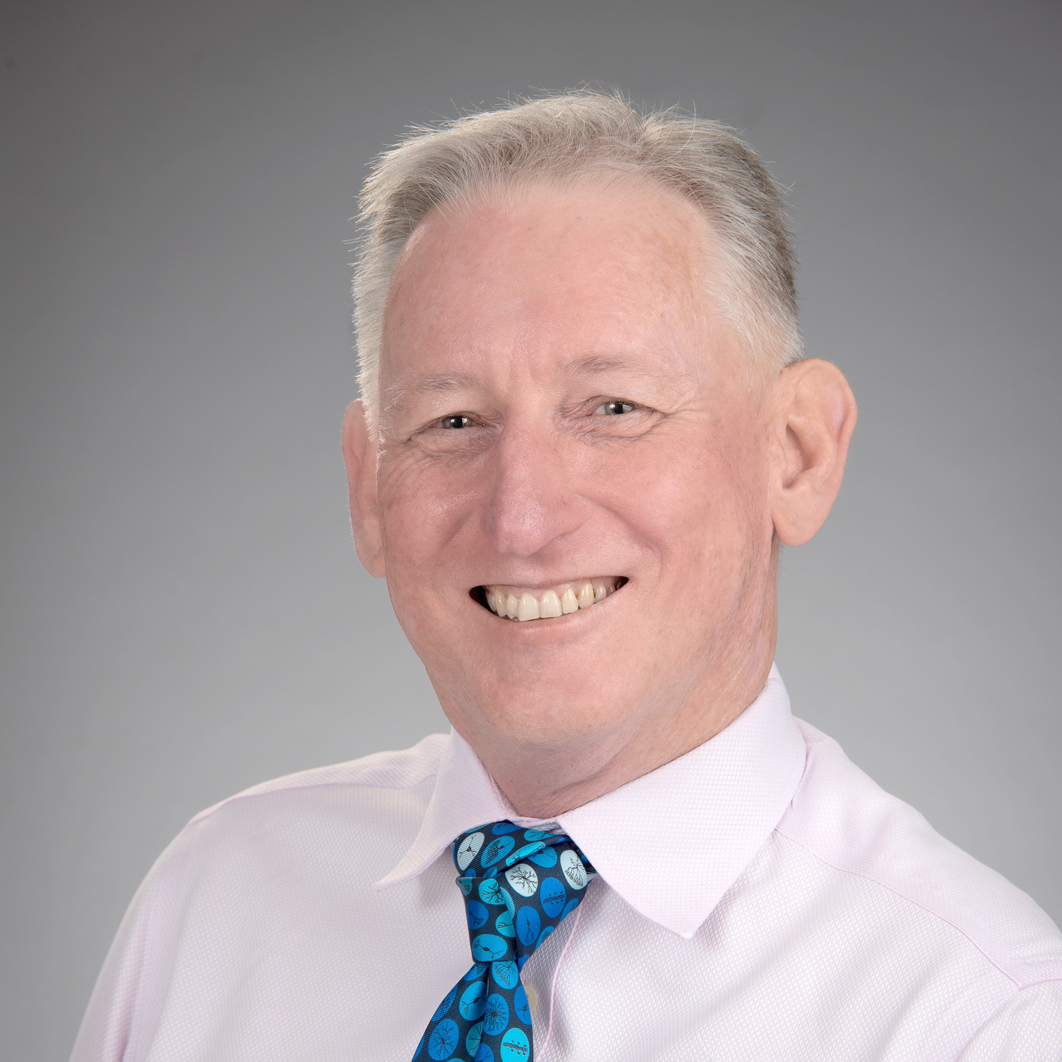
Rodney Scott, MBChB, MRCP (UK), MRCPCH, DipStat, PhD
Professor of Neurology and Pediatrics, Sidney Kimmel Medical College, Thomas Jefferson University
Professor of Biomedical Engineering, University of Delaware
Research Team
LEARN MORE ABOUT OUR RESEARCH
- Research Interests
- Notable Projects & Recognition
- Collaboration & Support
Our Areas of Focus
Epilepsy & Cognitive Development
We study how seizures and abnormal brain activity affect learning, memory, and behavior over time. This work focuses on epilepsy, where repeated seizures can disrupt the brain’s normal electrical signaling.
For children, seizure control is only one part of care. Some children also experience cognitive and behavioral challenges that affect school, development, and daily life. Our research examines how these changes happen and where future therapies may help.
Brain Networks & Memory
We study how communication between brain regions supports memory, attention, and learning. We focus on hippocampal-prefrontal network function and how information is processed, stored, and used.
When these networks are disrupted, children may struggle with skills that shape daily function. Our work looks for patterns in brain activity that may explain these challenges across different neurological conditions.
Fragile X Syndrome & Autism-Related Behaviors
We study fragile X syndrome models and autism-related behaviors to understand how changes in brain networks affect development. Fragile X syndrome is a genetic condition that can impact learning, behavior, and communication.
This work helps researchers compare patterns across neurodevelopmental conditions. It also supports a broader understanding of how changes in brain signaling may affect cognition and behavior.
Brain Stimulation & Network Recovery
We test whether targeted brain stimulation can help restore healthier patterns of brain activity. Brain stimulation uses electrical or magnetic signals to influence specific brain circuits.
This work builds on what the lab learns from epilepsy, fragile X syndrome, and other disease models. The goal is to understand whether improving brain network activity can support cognition and behavior.
Current Notable Research

Restoring Cognitive Function Through Precision Neurostimulation
Our lab recently received National Institutes of Health (NIH) Directors Transformative Research R01 Award that focuses on precision neurostimulation and cognitive recovery. This work studies whether targeted stimulation can restore cognitive function by addressing shared hippocampal activity patterns across neurological diseases.
The study takes a disease-agnostic approach, identifying shared brain network patterns across conditions. It is supported through a high-risk, high-reward NIH initiative focused on transformative science.
Selected Research Highlights
Other recent projects from our team include:
- Prefrontal network dynamics and cognitive impairment, including studies of whether restoring more typical network activity after developmental insult may help prevent cognitive effects.
- Hippocampal-prefrontal network function, including fragile X syndrome models, autism-related behavioral impairment, and the timing and encoding patterns that support cognitive performance.
- Cognitive impairment in epilepsy, including work that examines epilepsy as a complex brain-network disorder rather than a condition defined by seizure activity alone.
- Early-life seizures and gene-expression pathways, including studies of molecular responses after ACTH and dexamethasone treatment.
- Long-term outcomes after childhood seizures, including cognitive, behavioral, and developmental effects after epilepsy in infancy and convulsive status epilepticus.
Recent Recognition
Researchers at Nemours are often recognized for their exceptional contributions to pediatric research. Dr. Scott has received recent recognition for his contributions:
Nemours Researcher of the Year | 2025
Research Excellence Award, Nemours Children’s, Delaware | 2025
Research Collaborations
We work with scientific leaders from other institutions to expand our reach and advance innovation for children everywhere. The lab collaborates with Matt Mahoney, PhD at The Jackson Laboratory. Dr. Mahoney is a long-time collaborator and shares an NIH R01 with Dr. Scott as a multiple principal investigator.
This partnership supports research into brain networks, cognition, and precision neurostimulation. It brings together related expertise to study how disrupted brain activity may affect cognitive function across disease models.
Grant Funding
National Institutes of Health (NIH)
R01 Grant | Restoring Cognitive Function through Precision Neurostimulation: A Disease-Agnostic Approach Based on Convergent Hippocampal Dynamics (2025-2030) | Scott, R.C. (MPI)
U54 Grant | Accelerating Clinical and Translational Research (2023-2028) | Hicks, G. (PI); Scott, R. C. (Site PI)
R21 Grant | Brain Stimulation Approaches to Epileptogenesis (2020-2023) | Scott, R.C. (PI)
Institutional Support
CNA Award for Joint Nemours Children’s Health, Delaware and Thomas Jefferson University Hospital Studies | Measurement of Single Units in Human Hippocampus (2024-2025) | Herz & Scott (MPI)
Swank Foundation | Neural Network Abnormalities in FMR1 Rodents (2022-2024) | Scott, R.C. (PI)
Publications
Nemours researchers constantly contribute to advancing scientific understanding. We share our knowledge, insights, and discoveries to encourage collaboration and inspire further research.
Research in Context
Our lab contributes to research that informs pediatric care and connects to broader areas of scientific study at Nemours.
Neuroscience Research Center
DELAWARE VALLEY
Our team investigates the developing brain and translates discoveries in imaging, behavior, and biology into better diagnostics and treatments for children.
Behavioral Health Research
RESEARCH AREA
We develop models and tools that support children’s emotional health through evidence-based care, digital interventions, and family-centered strategies.
Genetics & Precision Medicine Research
RESEARCH AREA
Our researchers use genomic testing, biomarker discovery, gene therapy, and data science to advance more precise diagnosis and treatment for children with rare and complex conditions.
Neurology
CLINICAL CARE
Pediatric neurology services for children with seizures, developmental delays, and neurologic conditions at Nemours hospitals and specialty clinics.
Neuroscience Center, Delaware Valley
CLINICAL CARE
Pediatric neurology, epilepsy care, and neurodevelopmental services at Nemours Children’s Hospital, Delaware and throughout Greater Philadelphia.
Neuroscience Research
RESEARCH AREA
We investigate brain development and neurological disorders to advance pediatric neuroscience through collaboration and translational science.