


Emergency Medicine Research Program, Delaware Valley
- About Us
- Our Research
Improving Emergency Care for Children
Nemours Children’s emergency medicine research in Delaware Valley is diverse. Our researchers are driven by a mission to improve care when children need urgent evaluation, diagnosis, and treatment.
We focus on implementing quality initiatives, supporting shared decision-making, and exploring practical approaches to improve care delivery and prevent severe illness. We work to translate what we learn into practice, strengthen provider-family communication, and improve health outcomes.
Our team is part of a recognized, national emergency medicine research network that brings together select children’s hospitals across the country. Through this collaboration, we contribute to multisite studies that help answer pediatric emergency care questions across many settings.
We are regularly invited to present what we learn at national conferences hosted by leading organizations like the American Academy of Pediatrics and the Pediatric Academic Society. These opportunities reflect the quality and relevance of our research.
Emergency Medicine Research: At-a-Glance
Investigators are improving pediatric emergency care through focused research, quality improvement, and multisite studies.
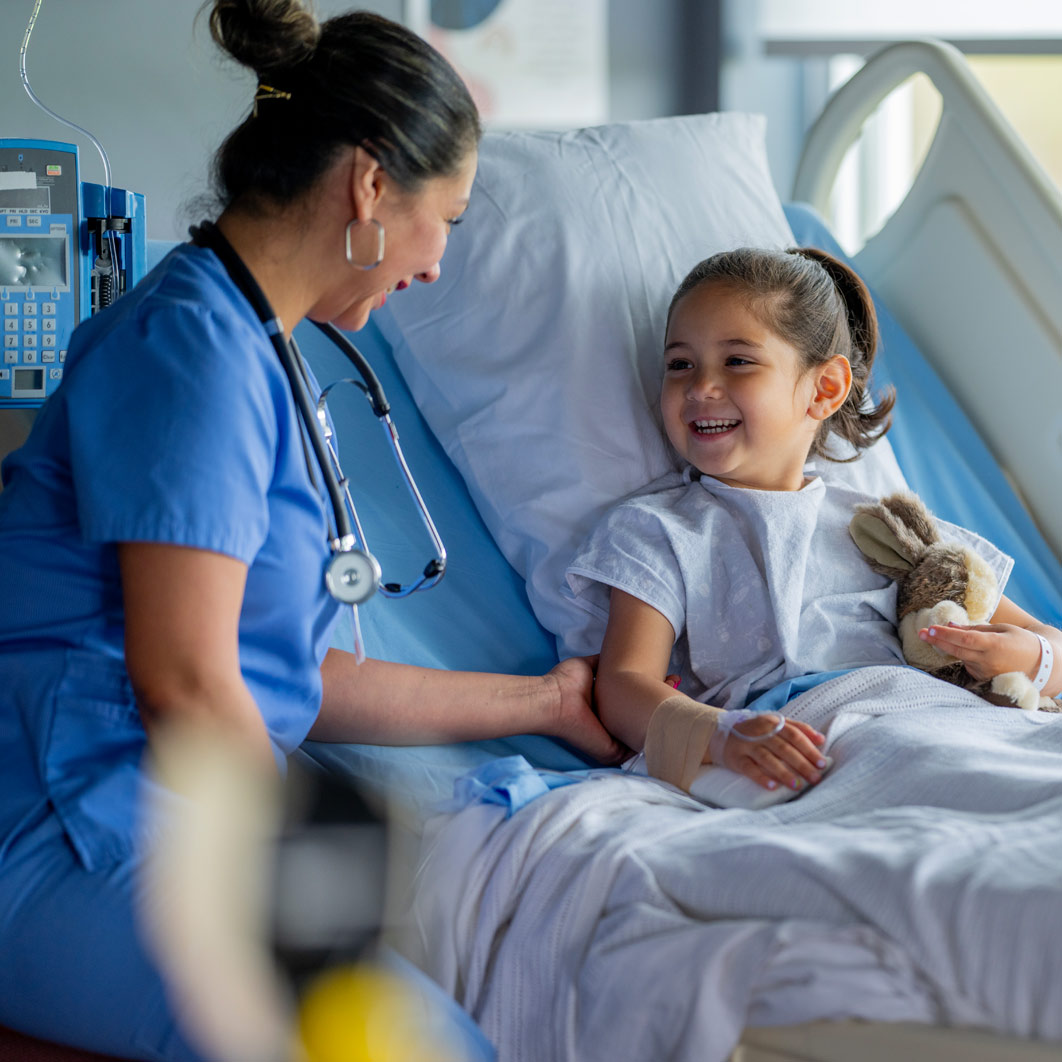
Our research connects day-to-day emergency care with national pediatric research networks to improve care for children with urgent illness and injury.
We participate in the Great Lakes Area Children’s Emergency Research node of the Pediatric Emergency Care Applied Research Network, contributing to multisite emergency medicine research.
Our team studies shared decision-making, diagnostic practices, pain care, seizure treatment, precision medicine, and quality improvement to help clinicians and families make clearer decisions in urgent moments.
We focus on emergency department challenges including respiratory illnesses such as bronchiolitis and pneumonia, seizures, Lyme disease, acute pain, and care variation.
Research Team

Research Focused on Emergency Department Decisions
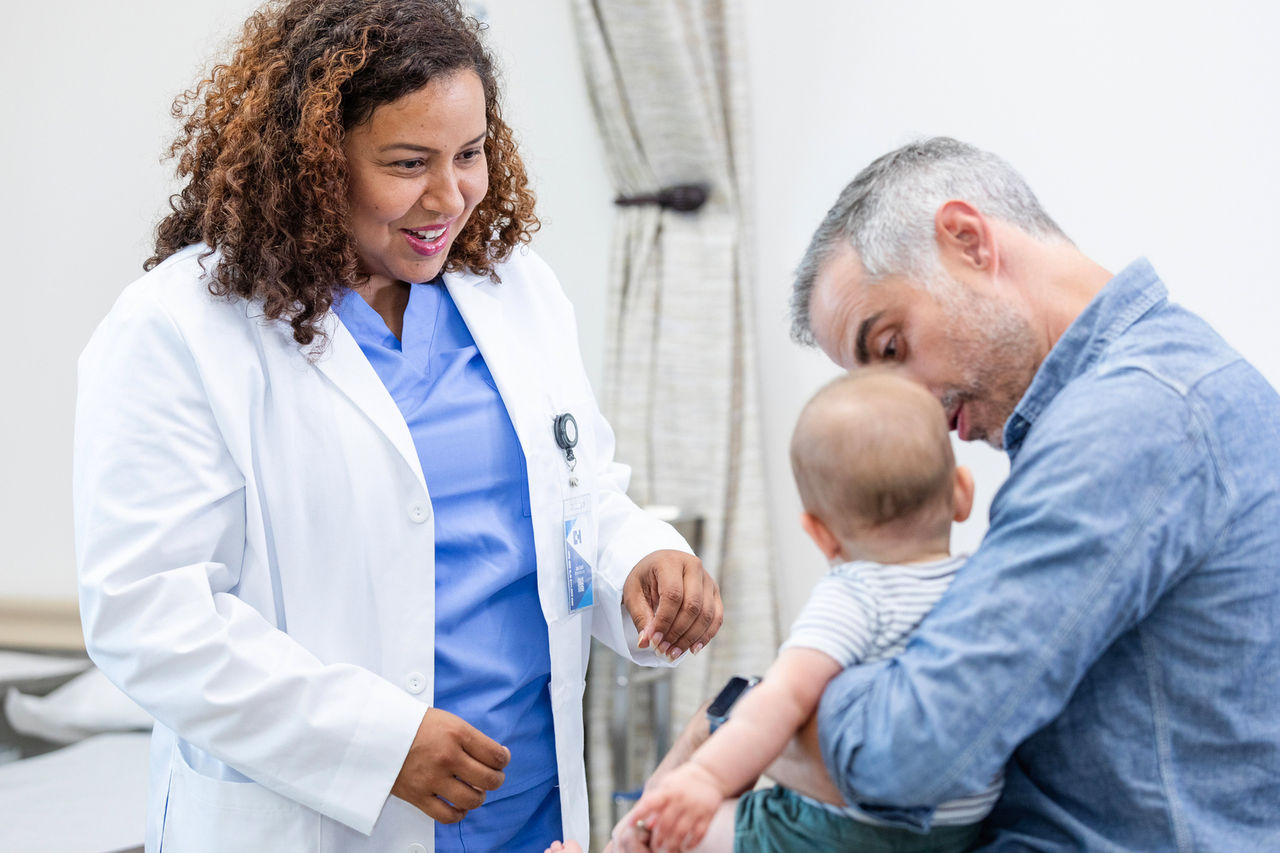
Our research is organized around the urgent conditions and care decisions that emergency teams face every day. These areas show how the program studies respiratory illness, seizures, infectious disease, pain care, and quality improvement to support decision-making
Focus Areas
Respiratory Illness & Infant Emergency Care
Our researchers study emergency care for infants and children with respiratory illness, including bronchiolitis, a common lung infection and leading cause of infant hospitalization. This work looks at factors that may influence illness severity and care decisions in the emergency department, helping teams improve how children are monitored, treated, and supported during acute breathing illness.
Emergency Neurology & Seizure Care
The program studies emergency care for children with seizures, from first-time events to prolonged seizures that require urgent treatment. Researchers focus on improving diagnosis, reducing unnecessary testing, supporting clinician-family communication, and strengthening care decisions when seizures do not respond to initial treatment.
Pediatric Lyme Disease & Infectious Disease
Nemours researchers study infectious disease concerns that bring children to the emergency department, including Lyme disease and common pediatric infections. This work supports better diagnosis, treatment decisions, follow-up care, and careful use of antibiotics so children receive effective care without unnecessary treatment.
Pain Care in the Emergency Department
Researchers study how emergency teams treat moderate to severe acute pain in children. We compare care options, evaluate safety, and examine how pain treatment decisions may affect children after an emergency visit.
Quality Improvement & Care Variation
The program uses quality improvement methods to make emergency care more consistent. This work focuses on practical changes in everyday care, including vaccination, medication use, follow-up after surgery, newborn jaundice, and resource use for common emergency concerns.
Notable Studies, Networks & Projects
- Decoding the Microbiome’s Role in Bronchiolitis: Studying how the infant gut microbiome, breastmilk, and respiratory illness severity may be connected.
- Pediatric Emergency Care Applied Research Network (PECARN): Participating as one of 15 hospitals involved in multisite emergency medicine studies through the Great Lakes Area Children’s Emergency Research node.
- Morphine or Ketamine for Analgesia Study (MoKA): Comparing intravenous lower-dose ketamine and morphine for children with moderate to severe acute pain in the emergency department.
- Ketamine Add-On Therapy for Established Status Epilepticus Treatment Trial (KESETT): Evaluating ketamine as an add-on treatment for established status epilepticus that does not respond to initial emergency medicines.
- First-Time Afebrile Seizure Decision Aid Project: Developing tools to reduce unnecessary CT testing after first-time afebrile seizures and improve clinician-family communication.
- PROgnostic and PrEdictive enrichment for young children with acute respiratory iLlness presenting to the Emergency Department (PROPEL): Studying a personalized medicine approach to children who present to the emergency department with respiratory illnesses.
- Pedi Lyme Net: Collaborating with pediatric Lyme disease researchers to improve diagnosis, treatment, and long-term care for children.
- Lyme Registry in Children (LymeRIC): Following children with suspected Lyme disease over time to study symptoms, treatment, and recovery.
- AAP Pediatric Acute & Critical Care Quality Network: Collaborating with pediatric care teams nationwide to improve asthma management and care for children.
- Emergency Department Quality Improvement Initiatives:
- Improving care related to bronchiolitis, influenza vaccination, antimicrobial stewardship, post-appendectomy concerns, and new-onset seizure resource use.
- Improving timeliness of care for our most high risk populations and improving patient and family experience through family-centered initiatives and decreased wait times.
Clinical Trials & Research Studies
Pediatric clinical trials and research studies are important for advancing medical knowledge and improving care for kids around the world. Nemours researchers lead clinical research to study new drugs, treatments, devices and techniques. We also contribute to national registries and collaboratives to further research in many areas. Find a clinical trial or study now.
Related Research & Clinical Focus
Researchers at Nemours often align with research areas, affiliated labs, and clinical programs to support discovery and care systemwide.
Emergency Medicine
CLINICAL CARE
Pediatric emergency care for acute illness and injury provided 24/7 at Nemours Children’s hospitals and in collaboration with local emergency providers.
Emergency Medicine Research
RESEARCH AREA
We study pediatric emergency care to improve urgent diagnosis, injury care, care coordination, and recovery through innovation and multi-site research.
Gastroenterology
CLINICAL CARE
Comprehensive digestive care for infants, children, and teens with GI, liver, and nutritional disorders at throughout the Delaware Valley and Florida.
Neurology
CLINICAL CARE
Pediatric neurology services for children with seizures, developmental delays, and neurologic conditions at Nemours hospitals and specialty clinics.