



Can Grow Garden at Nemours Children’s Hospital, Delaware
Come Grow With Us
Over 4.5 million American kids live in food deserts and lack access to grocery stores with fresh fruits and vegetables. Nemours wants to play an active role in addressing food insecurity. On the Nemours Children’s Hospital, Delaware campus, volunteers and associates have created an interpretive FARM (Families, Agriculture, Research, and Medicine) known as the Can Grow Garden.
The Can Grow Garden offers kids and families opportunities to learn about food before it's on their plate. The goal is to get visitors excited about eating something they grew. Can Grow programming and events focus on practical gardening skills, exposing patients, families and visitors to fresh produce, and teaching them that you CAN grow food almost anywhere.
Who We Are
Health systems can help increase opportunities for families to develop skills in growing food. At Nemours Children’s Hospital, Delaware, the Can Grow Garden helps empower families to grow food at home. The raised beds serve as both a demonstration garden for inspiration and learning, but also as a source of fresh produce for patient families who may need it.
Four advisory groups consisting of motivated associates, families and community partners have worked to define what innovation and engagement looks like in the Can Grow Garden.
All food grown in the garden is harvested and offered to patient families as available. Any unclaimed produce is donated to the Delaware Food Bank. In addition to produce, Nemours Estate gardeners also propagate at least 1,000 tomato plants each year in the Estate's greenhouse to give away to Nemours Children’s families. These plants, easily growable in containers, can help families to supplement their food stores throughout the summer.
History and Achievements
- Since 2022, the Nemours Estate has provided regularly scheduled learning and therapeutic horticultural programs for patients. These programs build on the opportunities already presented in the garden to spend time with nature and learn about growing food.
- The team built raised planting beds next to the concrete walkway for kids who use mobility devices (e.g., wheelchairs).
- There are milestone seasonal activities such as spring planting and fall harvesting that attracts wider participation from the surrounding community (including media) to see what — and how much — the kids have grown.
- In cooperation with many hospital departments and in particular the Department of Weight Management, the Nemours Estate earned the 2023 “Making an Impact Award” from the Mid-Atlantic Association of Museums.
- As part of our Nemours commitment to going Well Beyond Medicine, the Can Grow Garden was highlighted in the list of recommendations to the 2022 White House Conference on Hunger, Nutrition & Health.
“It's exciting to see people harvesting and out in the garden.” Judy Lieberman, Director of Volunteer, Auxiliary and Spiritual Care Services, Nemours Children’s Hospital, Delaware
- Slide 1
- Mission
- Programming
- Nutrition
Our Mission
The Can Grow Garden is a collaboration between the Nemours Estate and Nemours Children’s Hospital, Delaware, to grow plants and provide a place for patient, family and associate education and respite. The grown plants — mainly vegetables — provide food for the community helping to alleviate food insecurity and providing a platform to teach healthy cooking and eating.
For more information about the Can Grow Garden, contact program director Ken Darsney.
Episode 28: Cultivating Health: The Can Grow Garden at Nemours — YouTube
Child Life Programming
Can Grow Garden programming is seasonal to help kids and families learn about the different steps of planting, growing and harvesting food. There’s even a big fall celebration where everyone is invited to come and try different variations of what’s been grown in the Can Grow Garden that year. Past harvest parties have included everything from healthy potato chips to pickled radishes, complete with a side of ranch dip made with herbs from the garden for dipping.
Child Life Programming
- Monday at 10 a.m.: Watch the garden get planted. Nemours Estate gardeners will transfer seedlings from the Estate’s greenhouses and from local growers into the raised beds outside the cafeteria.
In the hospital? Tune into Channel 16 to watch it live-streamed.
- Every Tuesday from 10 a.m. to noon: Free play in the gardens. Stop by any time and get some fresh air, create art, play pretend, or just explore nature. (Please note: no programming will occur on May 31)
- Every Friday from 1–2 p.m.: Gardener’s Q&A is live in the Can Grow. Bring your questions to the Nemours Estate garden team and we’ll help you find the answers.
- Tuesday from 1–2 p.m.: Hands-on time in the garden. Patients and siblings are welcome to help Nemours Estate gardeners plant young plants to start the season off.
- Tuesday from 1–2 p.m.: Help the garden by creating plant markers. We’ll learn how to tell young vegetable and herb plant leaves from weeds, then create fun labels for the garden to help everyone find the plants. Make your own to take home too.
- Tuesday from 1–2 p.m.: Let’s make watering cans. Spring is a great season for rain, but as the summer months come the plants will need extra help from people to get the water they need. Let’s make a DIY watering can and get some tips and tricks on watering veggies and herbs.
Nemours Estate Programming
- Spring Planting: May/June
- Fall Harvesting: September
- Fall Harvest Party: October
- Can Grow Garden Dog Read Along: Read (or be read to) by facility dogs like Ali, next to the veggies and herbs.
- Ask the Gardener: Got questions? Ask a Nemours associate to email the Nemours Estate gardener. AskTheGardener@nemours.org
All activities are weather-dependent and may have to be cancelled due to rain or advisories.
Nutrition & Recipes
The Can Grow Garden is always bursting with tasty vegetables. Digital signs and flyers, as well as your Child Life specialist and GetWell programming, can help you and take home the many things that the garden produces. You’ll find some recipes below and here are a few favorites you’re likely to be able to try:
- Potatoes
- Radishes
- Pumpkins
- Carrots
- Tomatoes
There are also plenty of herbs grown, which can be transformed into sauces, salsas, and even ranch for veggie dips and salads. Can Grow Garden herb garden favorites include:
- Basil
- Thyme
- Oregano
- Rosemary
Learn more about nutrition and food — including more recipes — from the experts at Nemours KidsHealth®.
Nutrition & Fitness (Topic Center) (for Kids) | Nemours KidsHealth
Learn to Love Your Vegetables
1. Increase Exposure
- Increase exposure to different vegetables at meals and snacks multiple times a day
- It can take 10-15 times trying a food before learning if you like it, so don’t get discouraged and stay persistent
- Start with very small portions of new vegetables at first
- Be a role model for your kids and eat your vegetables at meals and talk about how good they taste.
2. Get Your Kids Involved
- Ask your kids what vegetables they want to try or give them a choice between two vegetables
- Have your kids pick the sauces, spices, or herbs for the dish
- Have your kids describe the flavors and textures of the vegetables they try.
3. Experiment With Cooking Techniques
- Try roasting vegetables to bring out their natural sweetness and make them crisp
- Sauté or stir-fry vegetables to soften them and add a sauce or seasoning for extra flavor
- Grilling can caramelize natural sugars in vegetables and add a smoky flavor
- Try steaming to make the texture softer while keeping the natural flavor
- Keep vegetables raw for a crisp, fresh taste.
4. Experiment With Flavors
- Add fresh or dried herbs like cilantro, dill, parsley, mint, rosemary, chives, sage, thyme, oregano, basil to vegetables for extra flavor
- Add different spices to create new flavors, if your child likes pizza try Italian seasoning or garlic powder, if they like spicy foods try chili powder or red pepper flakes, cinnamon or apple pie spice can be great to add sweetness, and sesame seeds can add a nutty flavor.
- Add a squeeze of lemon or lime to balance out the bitter flavor in vegetables and give a fresh taste
5. Serve Vegetables With a Favorite Dip or Try a New Vegetable Filled Dip
- Celery, carrots, snap peas, bell peppers, and cucumber taste great with hummus, tzatziki, or ranch.
- Try making a sweet or savory Greek yogurt dip. Mix in peanut butter, unsweetened cocoa powder, cinnamon, paprika, or ranch packets with nonfat plain Greek yogurt for a fun dip to try with any vegetable
- Make a vegetable packed dip to eat with tortilla chips, whole wheat crackers, or whole wheat pita. Try black bean dip, salsa, hummus, pico de gallo, cowboy caviar, or spinach artichoke dip.
- Try cooking with different sauces like teriyaki, barbeque, chipotle, peanut sauce, pesto, or balsamic vinegar.
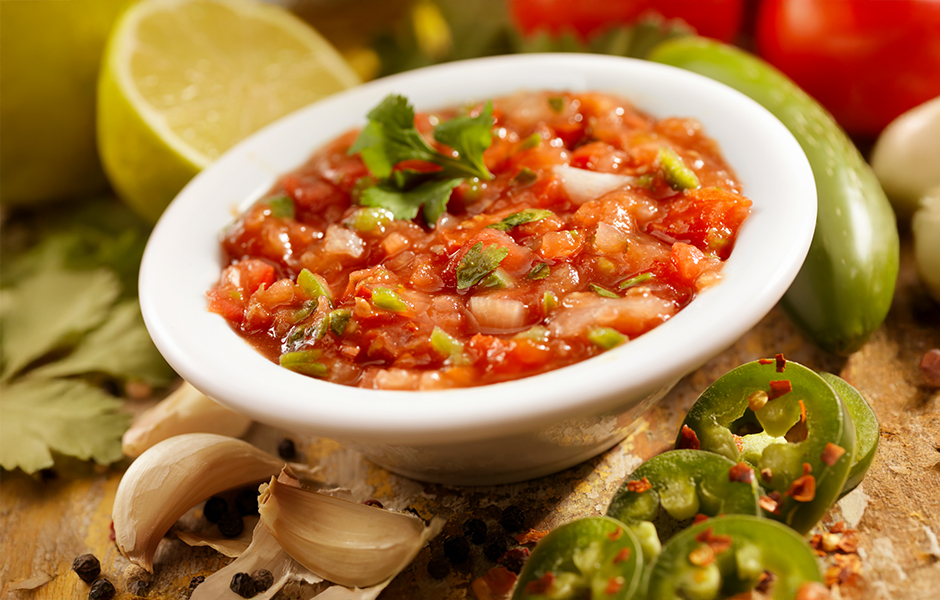
Pico de Gallo
Number of servings: 4
Prep time: 20 minutes
Cook time: 50 minutes
Ingredients
- 8 plum tomatoes, diced
- ¾ cup red onion, diced
- 2 Tbsp fresh cilantro, chopped
- ½ sweet bell pepper, diced
- 2 Tbsp fresh lime juice
Directions
- Prepare all ingredients as directed
- Mix tomatoes, onion, cilantro, jalapeno pepper, and lime together in a large mixing bowl
- Refrigerate for 30 minutes prior to eating, if able
Nutrition Information
1 serving
35 calories; 1g
8g carbs
80 mg sodium
357 mg potassium
41 mg phosphorus
2g fiber
Vegetable Fun Facts
- Tomatoes are rich in lycopene, an antioxidant that is good for the heart and effective against certain cancers. To receive the biggest impact for lycopene be sure to eat cooked tomatoes.
- Tomatoes are also an excellent source of vitamin C, biotin, and vitamin K. They are also a very good source of copper, potassium, manganese, dietary fiber, vitamin A (in the form of beta-carotene), vitamin B6, folate, niacin, vitamin E, and phosphorus.
- Adding cilantro is a great way to add flavor to a dish without adding extra calories, fat, or sodium. Due to the gentle leaves, it is best to use cilantro at the end of a recipe with heat or kept in raw form and used to garnish a dish.
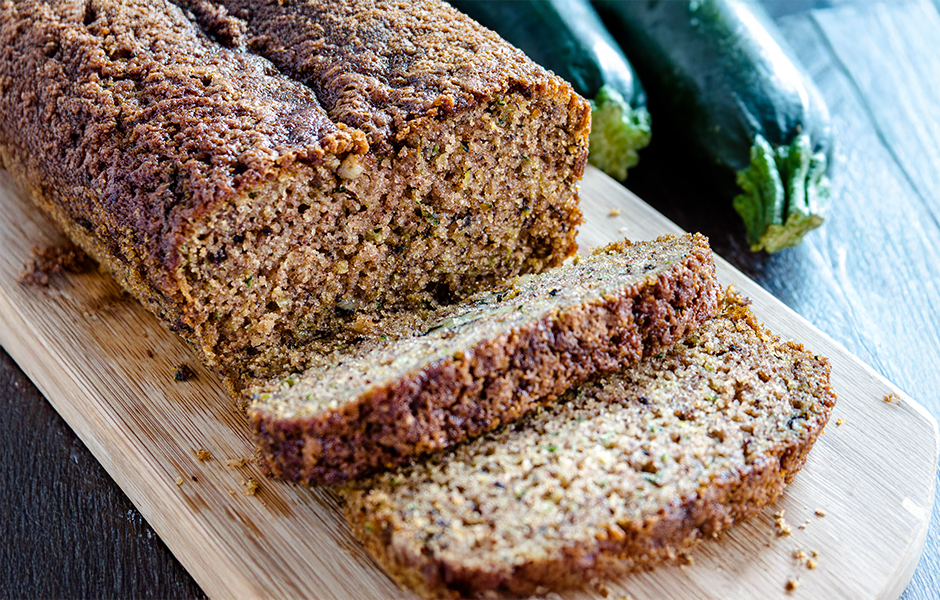
Zucchini Bread
Ingredients
- 1 ¾ cups all-purpose flour
- 2 tsp. ground cinnamon
- 1 tsp. baking soda
- ½ tsp. salt
- ½ cup vegetable oil
- 1 cup granulated sugar
- 2 large eggs
- 1 tsp. vanilla extract
- 1 (about 2 cups) grated zucchini (do not peel or drain the excess moisture)
Directions
- Preheat oven to 350 degrees F and grease a 9x5” loaf pan.
- In a large bowl, toss together the flour, cinnamon, baking soda and salt. Set aside.
- In a medium bowl, whisk together the oil, sugar, eggs, and vanilla. Stir in the grated zucchini.
- Add the wet mixture to the dry ingredients. Stir until just combined. Spoon batter into the prepared pan.
- Bake for 60-65 minutes or until a toothpick inserted into the center comes out clean. Enjoy!

Summer Squash Egg Bites
Ingredients
- Nonstick cooking spray
- 2 cups grated summer squash/zucchini
- 2 large eggs
- ½ cup shredded cheese of choice
- ½ cup panko breadcrumbs
- 2 tbsp. fresh chopped basil
- Salt and pepper to taste
Directions
- Preheat oven to 400 degrees F
- Spray a mini muffin tin with nonstick cooking spray and set aside.
- In a large bowl, combine grated squash and zucchini, eggs, cheese, breadcrumbs, basil, salt, and pepper until evenly mixed.
- Spoon mixture evenly into muffin cups.
- Bake for 15-18 minutes or until the tops of the muffins are slightly browned and egg is set.
- Let bites cool in the pan for 10 minutes and then enjoy.