



Gene Therapy for Hearing Loss
A Breakthrough Treatment for Genetic Hearing Loss
Otarmeni™ (lunsotogene parvec-cwha) is the first FDA-approved gene therapy for children with genetic hearing loss, offering the potential of hearing restoration without the need for a device like a hearing aid or cochlear implant.
Children whose deafness is caused by mutations in their OTOF gene — an inner ear gene that helps the body produce otoferlin, one of the many important proteins for hearing — may be eligible for Otarmeni, a procedure that restores natural otoferlin production.
As a leader in research and participant in numerous clinical trials, Nemours Children’s is among the first in the nation to begin offering this life-changing treatment.
Leading the Way From Research to Reality
Nemours was actively involved in the successful clinical trials that helped Otarmeni gene therapy earn FDA approval.
In these trials, 80% of participants saw an improvement in their hearing level at an assessment conducted after 24 weeks.
A group of these successful participants were followed for an additional 24 weeks, and over that extended time, 42% were able to achieve normal hearing that included whispers.
Our experts will work together throughout your child's journey to help them experience the gift of sound.
How It Works

The OTOF gene, located in the inner ear, helps a child’s body produce a protein called otoferlin. This protein is essential for the hearing signal to travel from the ear to the brain, where it is interpreted as sound. Mutations to this gene can create an otoferlin deficiency, ultimately resulting in deafness.
With Otarmeni gene therapy, a functional copy of the OTOF gene, transported by a modified (noninfectious) virus, is infused into the cochlea, the part of the inner ear that converts sound waves into hearing signals. The virus then delivers the gene to inner hair cells and provides instructions for otoferlin production, correcting the deficiency. By restoring the transmission of signals between the inner ear and the brain, hearing is allowed to occur naturally.
This intracochlear infusion is surgically delivered, using a similar approach to that of a cochlear implant operation, and is performed under general anesthesia. Your child will most likely stay overnight in the hospital for observation.
After the procedure, regular follow-up visits with our multidisciplinary care team will allow us to test your child's hearing, track their speech and language progress, and ensure the best possible results.
Related Specialties
Related Conditions
“This gene therapy changes the landscape. It’s one of those experiences where something amazing is done that transforms what we can provide children.”
— Cedric Pritchett, MD
Chief, Nemours Children’s Division of Pediatric Otolaryngology
“You think about what your child’s first word is going to be. At our hospital back home, they didn’t give us any hope that could happen. This seemed like a miracle.”
— Sarah, mother of a clinical trial patient
“We'd been told that the only way she might hear would be with hearing aids or cochlear implants. Dr. Pritchett communicated with us so well about this procedure and how it works that I said, 'Let’s go for it.' I want my baby to hear.”
— Clint, father of a clinical trial patient
- Slide 1
- Slide 2
- Slide 3
Orlando

Cedric Pritchett, MD
Chief, Nemours Children’s Division of Pediatric Otolaryngology
Dr. Pritchett is the co-director of the Nemours Children’s Ear, Hearing, and Communication Center and director of the Nemours Children’s Hearing Enhancement, Augmentation, and Restoration Program (NHEAR).
A pediatric otolaryngologist and head & neck surgeon, his practice includes a range of ear, nose, and throat (or “ENT”) conditions, with particular interest in pediatric otology and hearing loss treatment, including gene therapy and cochlear implant surgery.
Jacksonville
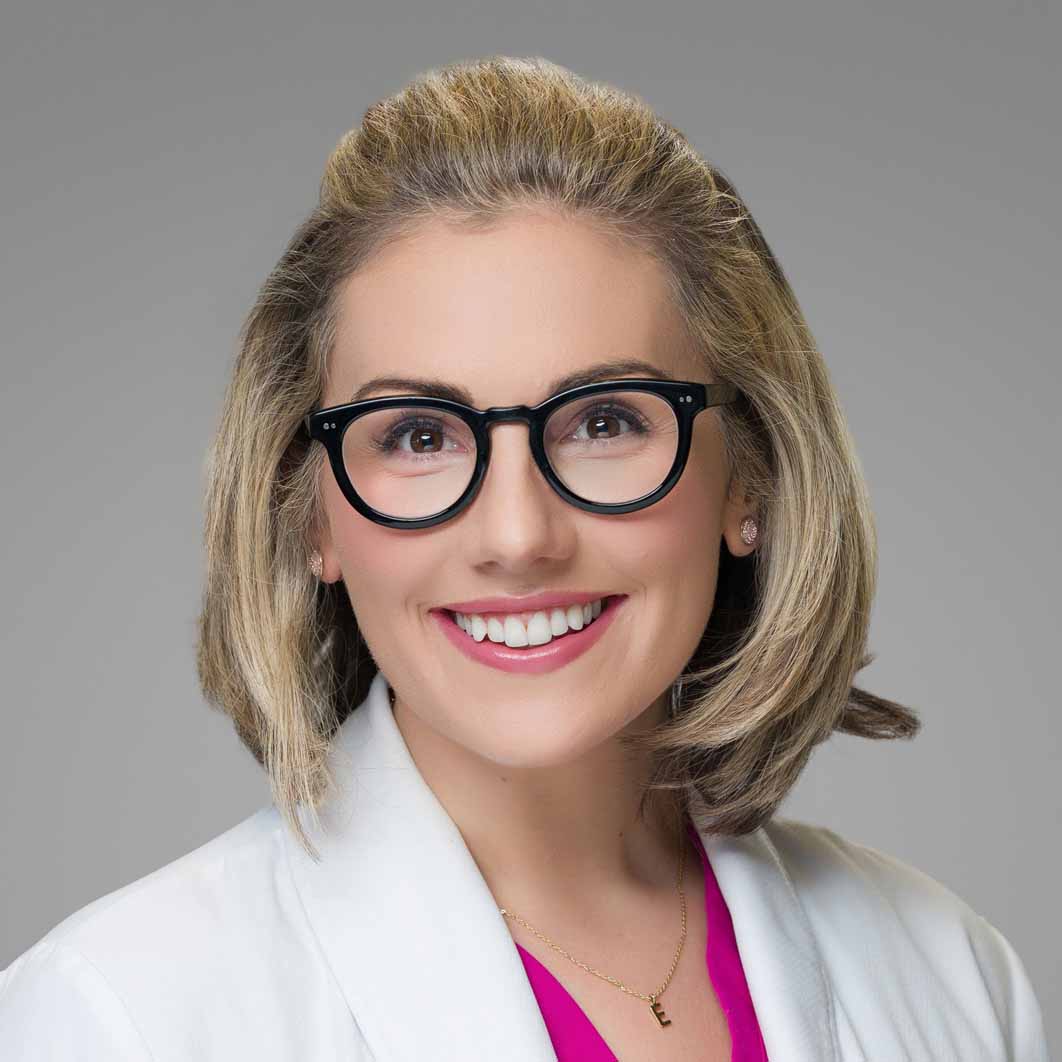
Evie Landry, MD
Nemours Children’s Division of Pediatric Otolaryngology
Dr. Landry is the director of the Cochlear Implant Program at Nemours Children's Health, Jacksonville. She is a pediatric otolaryngologist and head & neck surgeon whose practice encompasses the full range of ear, nose, and throat (ENT) conditions. She has a particular interest in pediatric otology and the treatment of hearing loss, including emerging gene therapy approaches.
Her clinical expertise and research interests span congenital neck masses, hearing loss, otitis media, voice dysfunction, and novel hearing therapeutics.
For Health Professionals
If you have a patient with OTOF-related hearing loss, contact our team to discuss Otarmeni gene therapy as an option.
Refer a Patient (Orlando)
(407) 650-7705
hearlinglossORL@nemours.org
Refer a Patient (Jacksonville)
(904) 697-3600
HearingLossGeneTherapyJax@nemours.org
